


Summary: The Strategic Partner: How to Choose Top Tier Hospital Medical Equipment Suppliers
Choosing the right top hospital medical equipment suppliers is a critical strategic decision that affects clinical accuracy, patient safety, and operational longevity in healthcare facilities. In high-demand markets like Saudi Arabia, top-tier vendors serve as more than product distributors; they provide end-to-end support, including equipment maintenance, staff training, and software integration. By prioritizing vendor reputation, total cost of ownership (TCO), and compliance with global ISO standards and Saudi Food and Drug Authority (SFDA) regulations, hospital administrators can eliminate unexpected downtime, streamline clinical workflows, and maintain high standards of patient care.
Key Criteria for Vetting Medical Equipment Distributors
Selecting reliable top hospital medical equipment suppliers is crucial for healthcare facilities aiming to elevate clinical standards and avoid expensive device downtime. Hospital leadership in Saudi Arabia must look beyond initial equipment pricing to evaluate long-term technical support, diagnostic accuracy, and total cost of ownership. Consequently, establishing strong partnerships with verified vendors helps administrators safeguard facility finances while delivering safe, high-quality patient care.
Key Takeaways
- Reliable hospital medical equipment suppliers are crucial for ensuring high-quality healthcare services.
- Selecting suppliers involves evaluating quality, reliability, cost, and compliance with standards.
- Technological advancements, particularly in imaging and specialized care, are redefining supplier value.
- Adhering to regulations and standards is essential for supplier credibility and patient safety.
Types of Medical Equipment Provided by Suppliers
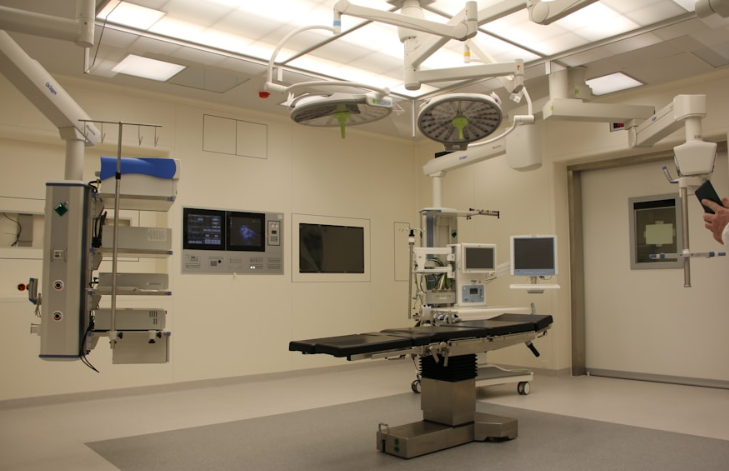
Hospital medical equipment suppliers offer a vast array of products, broadly categorized into diagnostic equipment, therapeutic devices, specialized instruments, and monitoring systems. The precision and reliability of these tools are paramount, as they form the basis for treatment decisions and patient safety.
Diagnostic Excellence and Imaging Assets
Diagnostic equipment forms the basis of treatment plans. Precision here is non-negotiable. Leading suppliers offer high-performance imaging assets that are designed for longevity and clarity. For instance, when sourcing CT scanners, opting for systems like the Insitum 64/64s CT or the scalable Insitum 32 CT ensures your facility benefits from fast acquisition, powerful hardware, and high-resolution imaging (up to 22lp/cm), providing superior diagnostic confidence for procedures from simple head scans to complex cardiac analysis.
Specialized and Durable Clinical Units
This category includes high-value, long-lifecycle equipment used in specific clinical settings. For dental practices, the quality of the unit directly impacts patient comfort and infection control. Suppliers should offer systems like the AJAX: Luxurious Dental Unit (Amber Dental Chair), which integrates features like electric chairs, super soft upholstery, and a built-in one-button automatic disinfectant system. This ensures durability and adherence to the most stringent healthcare standards. Similarly, aesthetic and surgical clinics require precision tools like the AMI Laser (Alexandrite & ND Yag Laser with dual cooling techniques) or the AMI CO2 (Fractional & Surgical CO2 Laser System), where the supplier’s service guarantees the device maintains its specified energy delivery and safety profile.
Criteria for Choosing the Right Medical Equipment Supplier

Selecting the right hospital medical equipment supplier involves careful consideration beyond the product catalog.
Reputation and Comprehensive Product Range
A supplier with a proven track record is more likely to provide equipment that meets stringent healthcare standards. Assess their history through testimonials and case studies. Furthermore, a comprehensive product range simplifies procurement. A supplier who can provide both advanced diagnostic systems like the Insitum CT line and specialized clinical assets such as the AJAX AJ16 Dental Chair or the AMI – Q (Q-Switched Nd: Yag Laser) offers a streamlined partnership, facilitating better training and consistent service across diverse departments.
Service Capabilities and Support
A responsive support team is crucial. Beyond basic repair, established suppliers offer comprehensive support services including equipment maintenance, staff training, and technical assistance. For complex units like the AJAX AJ18 Dental Chair, the supplier’s service team must be experts in maintaining the integrated water purification and control systems. This ensures proper device utilization and optimal performance, minimizing downtime that can derail patient scheduling.
Cost Considerations for Purchasing Medical Equipment
While budget constraints are a reality, investing in high-quality equipment leads to long-term savings by reducing maintenance costs and minimizing the risk of equipment failure. It is essential to conduct a thorough cost-benefit analysis that considers the total cost of ownership (TCO).
Investing in durable, high-quality units like the Insitum CT systems or the AJAX line minimizes the risks associated with equipment failure. Quality assurance built into the supplier’s process, often reflected by adherence to ISO standards, ensures you are acquiring reliable products designed for years of intensive use. Understanding warranty terms and service agreements is vital for anticipating future expenses and securing your investment.
The Role of Technology in Medical Equipment Supply
Technology plays an increasingly pivotal role in the medical equipment supply chain. Suppliers that integrate cutting-edge technologies into their offerings position themselves as leaders in the market, providing healthcare facilities with advanced tools that improve patient outcomes.
- Imaging Integration: Advanced imaging technologies allow for earlier detection of diseases. Suppliers must ensure their diagnostic equipment supports rapid data processing and seamless integration with hospital PACS and EHR systems.
- Specialized Automation: In units like the AJAX AJ11 Dental Chair, technological features like the 9-function foot control and integrated X-ray viewer streamline workflows, allowing staff to perform their duties more effectively, leading to improved efficiency and patient experience.
Regulations and Standards for Medical Equipment Suppliers
International regulatory bodies strictly govern the medical equipment industry. Leading suppliers prove their quality commitment by complying with global ISO standards. Adhering to these safety standards guarantees reliable device performance across clinical settings. Working with compliant vendors ensures seamless equipment integration and protects patient safety.
The Impact of Medical Equipment Suppliers on Patient Care
The influence of hospital medical equipment suppliers extends beyond merely providing tools; they play a vital role in shaping the overall healthcare experience. Quality equipment enables healthcare professionals to perform their duties more effectively. Furthermore, suppliers often provide training and support services that empower staff to utilize complex equipment optimally. This level of service is what truly defines a top-tier supplier, ensuring that advanced technologies, like those in the Insitum or AMI lines, translate directly into improved diagnostic accuracy and enhanced patient safety.
I would be happy to draft a focused service agreement proposal that addresses the unique maintenance needs of your new Insitum CT scanner or one of the AJAX Dental Units.
Building strong partnerships with medical technology distributors requires evaluating long-term support and compliance options. To compare direct-to-patient order fulfillment and home care delivery models, explore our overview ofEdgepark Medical Services. If you want to review insurance authorization rules and product selection criteria, read our complete guide onEdge Park Medical Supplies. Additionally, for healthcare facilities seeking accurate testing tools for chronic disease management, consult our guide on choosing a glucose meter. For authoritative guidelines regarding medical device safety standards and regulatory compliance, visit the officialU.S. Food and Drug Administration (FDA).
No Comments