

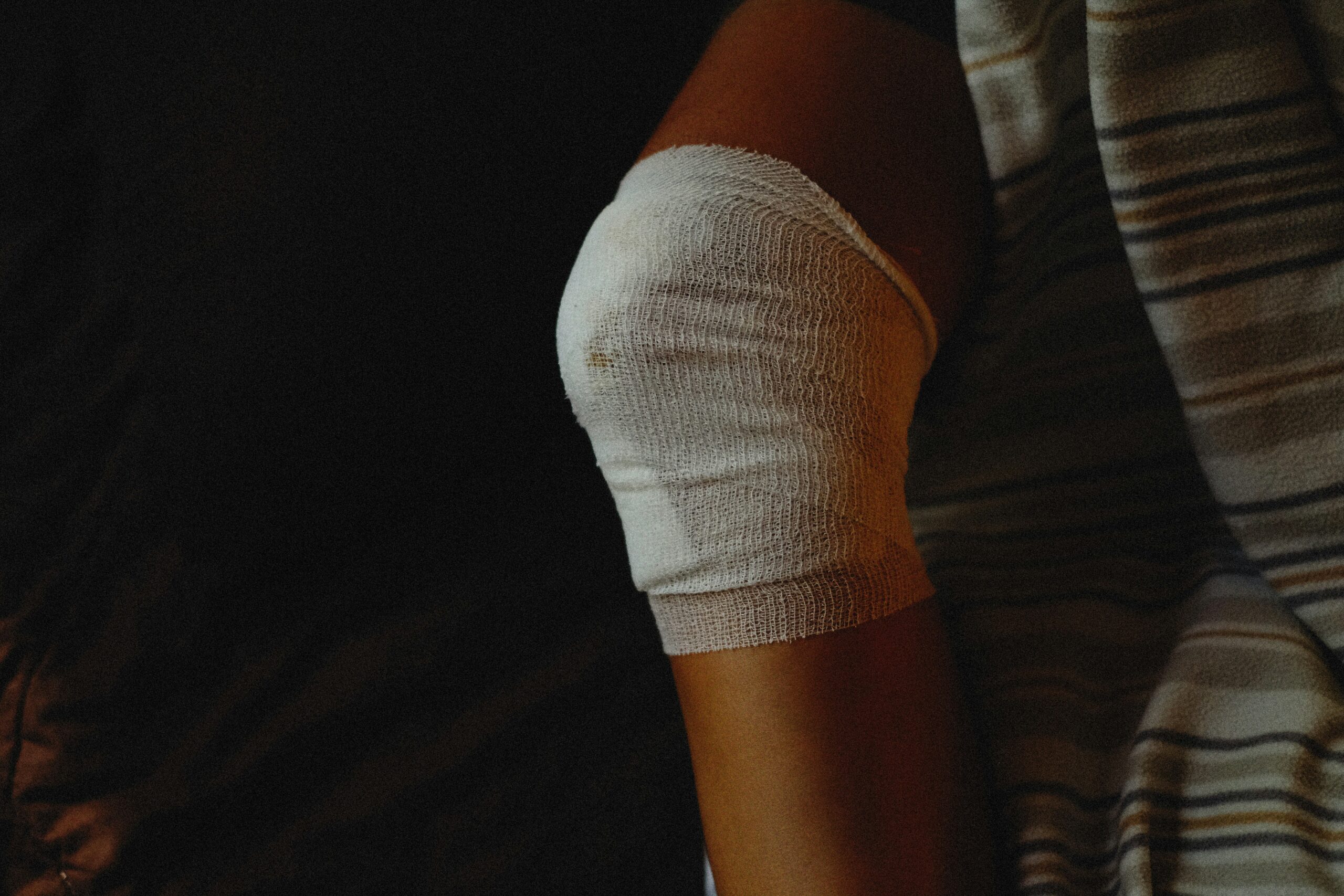
The efficacy of a bandage is not solely determined by the dressing material itself, but significantly by its adhesive properties. Proper adhesion forms a crucial barrier, preventing external contaminants from entering the wound and creating a stable environment conducive to healing. This article explores strategies for maximizing bandage adhesive for optimal wound healing, focusing on factors influencing adhesion and practical application techniques.
The primary role of bandage adhesive is to secure the dressing in place. However, its function extends beyond mere mechanical support. A well-adhering bandage:
Creates a Protective Barrier
- ### Preventing Microbial Ingress
When applied correctly, the adhesive forms an airtight seal around the wound dressing. This seal acts as a formidable wall, akin to a castle’s ramparts, preventing harmful bacteria, viruses, and other microorganisms from breaching the sterile field and entering the compromised tissue. Any compromise in this seal, however small, can be a potential pathway for infection, which can severely impede or even reverse the healing process.
- ### Minimizing Mechanical Trauma
A secure dressing reduces excessive movement of the wound site. Friction and shear forces, the rubbing and pulling that can occur with a loose bandage, can disrupt granulation tissue and newly formed cells. The adhesive’s grip, while not overly restrictive, effectively anchors the dressing, acting as a stabilizing hand, minimizing these disruptive forces and allowing delicate healing to proceed unimpeded.
Maintaining a Moist Wound Environment
- ### Regulating Exudate
Wound exudate, while a natural part of the healing process, needs to be managed. An effective adhesive helps create a semi-occlusive environment, trapping a certain level of moisture. This is important because a wound that is too dry can lead to scab formation, which can impede cell migration and slow healing. Conversely, excessive exudate can lead to maceration of the surrounding skin. The adhesive, by holding the dressing in place, contributes to the dressing’s ability to absorb excess fluid while retaining enough for optimal cellular function.
- ### Supporting Cellular Activity
The presence of appropriate moisture levels is critical for a multitude of cellular processes involved in wound repair. Enzymes crucial for debridement and tissue remodeling function optimally in a moist environment. Fibroblast migration, the directional movement of cells that lay down new tissue, is also facilitated by this moisture. The adhesive ensures that the dressing maintains this optimal microenvironment, acting as a silent partner in the cellular dance of regeneration.
Enhancing Patient Comfort and Compliance
- ### Reducing Pain and Discomfort
A well-adhering bandage is less likely to shift or peel, which can cause pulling and discomfort, especially when the patient is moving. The sensation of a loose bandage repeatedly catching or irritating the wound can be a significant source of pain and anxiety. A secure application, therefore, contributes to a more comfortable experience for the patient.
- ### Improving Adherence to Treatment Regimens
When a bandage is comfortable and stays in place, patients are more likely to keep it on for the prescribed duration. This adherence is vital for ensuring that the wound receives continuous protection and that healing progresses as expected without unnecessary interruptions. A patient who doesn’t have to constantly adjust or replace a faulty bandage is more likely to follow the full treatment plan.
Factors Influencing Adhesive Performance
The ability of a bandage adhesive to effectively perform its duties is influenced by a complex interplay of factors, both inherent to the adhesive and external to the application.
Type of Adhesive Material
- ### Acrylic Adhesives
Acrylic-based adhesives are a common choice in medical tape and dressings. They offer a good balance of initial tack (how quickly they stick) and long-term adhesion. These adhesives are generally well-tolerated by the skin and provide reliable performance across a range of conditions. Think of them as versatile workhorses, dependable in many situations.
- ### Silicone Adhesives
Silicone adhesives have gained popularity due to their gentle nature. They adhere well without causing significant trauma upon removal, making them an excellent option for sensitive skin, fragile skin, or areas where frequent dressing changes are anticipated. Their mildness is akin to a gentle handshake, secure but not aggressive.
- ### Rubber-Based Adhesives
Historically, rubber-based or natural rubber latex adhesives were widely used. While they can offer strong adhesion, they are also more prone to causing allergic reactions in some individuals. Their aggressive grip can sometimes come at the cost of skin irritation.
Adhesive Properties
- ### Tack
Tack refers to the immediate stickiness of the adhesive upon contact. A sufficient tack is necessary for the bandage to adhere quickly to the skin, preventing immediate displacement. However, excessively high tack can make removal difficult and painful.
- ### Shear Strength
Shear strength describes the adhesive’s resistance to sliding forces. Higher shear strength means the adhesive can withstand tangential forces better, preventing the bandage from moving, which is crucial for maintaining its protective function. It’s the adhesive’s ability to resist being pushed or pulled sideways.
- ### Peel Strength
Peel strength measures the force required to detach the adhesive from the surface. While a reasonable peel strength is needed to keep the bandage in place, excessively high peel strength can lead to skin stripping and pain during removal. This is the force needed to lift the edge of the bandage.
Surface Characteristics of the Skin
- ### Skin Condition
The condition of the skin at the application site is paramount. Oily, sweaty, or dirty skin will significantly reduce adhesive performance. The skin’s surface needs to be clean and dry for the adhesive to form a strong bond. Imagine trying to stick a label onto a greasy surface; it won’t hold well.
- ### Skin Texture and Integrity
Hairy areas can also present a challenge for adhesive tape, as hairs can interfere with uniform contact. Furthermore, broken or compromised skin, such as in cases of eczema or psoriasis, may not provide a smooth surface for adhesion, and the adhesive itself might cause irritation.
- ### Hair Distribution
Areas with dense hair can reduce the effective surface area for adhesion. Hairs act as physical barriers, preventing the adhesive from making direct, continuous contact with the skin.
Environmental Factors
- ### Temperature and Humidity
Extreme temperatures can affect adhesive performance. High temperatures can soften some adhesives, reducing their tack and shear strength, while extreme cold can make them brittle. High humidity can also interfere with adhesion by introducing moisture between the adhesive and the skin.
- ### Moisture (Sweat and Wound Exudate)
As mentioned earlier, moisture is a significant antagonist to adhesive efficacy. Sweat can degrade the adhesive bond over time, and direct contact with wound exudate can also compromise its integrity.
Preparing the Skin for Optimal Adhesion

Proper skin preparation is as vital as selecting the right bandage. It forms the foundation upon which the adhesive can build a strong bond.
Cleansing the Application Site
- ### Gentle Cleansing Agents
Always use a mild, pH-balanced skin cleanser to remove dirt, oils, and debris. Avoid harsh soaps or solvents that can strip the skin of its natural oils and disrupt its protective barrier. The goal is to clean without damaging.
- ### Thorough Rinsing
Ensure all traces of the cleansing agent are thoroughly rinsed away. Residual soap can interfere with adhesion.
Drying the Skin
- ### Air Drying is Preferred
Allow the skin to air dry completely. Patting with a clean, lint-free towel can accelerate this process, but avoid vigorous rubbing, which can cause irritation. Complete dryness is non-negotiable; think of it as preparing a canvas for a painting.
- ### Avoiding Skin Irritants
Never use alcohol or peroxide solely for skin preparation for adhesion. While they are effective antiseptics, they can dry out and damage the skin, leading to poor adhesion and potential irritation.
Using Skin Barriers or Adhesives Enhancers (When Appropriate)
- ### Skin Barriers
For particularly sensitive or fragile skin, or in areas prone to moisture, a skin barrier wipe or spray can be applied after the skin is clean and dry. These create a thin, protective film that can improve adhesion and protect the skin from both the adhesive and potential irritants. They act like a primer for paint, creating a smoother, more receptive surface.
- ### Adhesive Enhancers
“Skin tackifiers” or adhesive enhancers are sometimes used to boost the stickiness of certain dressings. These are typically applied to the skin before the dressing. Their use should be considered carefully, as they can sometimes lead to increased skin irritation with prolonged use.
Application Techniques for Long-Lasting Adhesion

The method of application plays a significant role in the longevity and effectiveness of the bandage’s hold.
Ensuring Even Pressure
- ### Smooth Application
Apply the bandage smoothly and evenly, without wrinkles or creases. Wrinkles can create channels for moisture and contaminants to enter. Imagine smoothing out a wrinkled piece of paper; it lies flat and looks more professional.
- ### Gentle Stretching (When Appropriate)
For certain elastic bandages or tapes, a slight, uniform stretch during application can improve conformability and adhesion, especially over jointed areas. However, overstretching can lead to constrictive pressure and skin damage. This should be done with mindful caution, like carefully stretching elastic.
Avoiding Contamination During Application
- ### Sterile Technique
When applying dressings to wounds, maintaining sterile technique is paramount. Avoid touching the sterile dressing or the adhesive side of the bandage with unsterile hands or surfaces.
- ### Proper Handling
Handle the bandage by its edges or backing material, minimizing contact with the adhesive surface. This ensures that the adhesive remains clean and ready to bond effectively.
Considering the Anatomical Location
- ### Joints and Creases
When applying bandages over joints or in areas prone to movement and friction, consider using split applications or different types of dressings that offer better flexibility and conformity. This prevents the bandage from bunching or tearing with movement, like folding a piece of paper multiple times.
- ### Hairy Areas
In hairy areas, consider gently trimming the hair (not shaving) away from the immediate wound site to improve adhesive contact. Alternatively, a split dressing application can be used, where the adhesive portion is only applied to the hairless skin surrounding the wound.
Strategies for Addressing Adhesive Challenges
| Metric | Value | Unit | Description |
|---|---|---|---|
| Adhesion Strength | 3.5 | N/cm | Force required to peel the adhesive from skin |
| Water Resistance | 85 | % | Percentage of adhesive remaining after water exposure |
| Hypoallergenic Rating | 4.8 | /5 | Skin irritation potential on a scale of 1 to 5 |
| Breathability | 250 | g/m²/24h | Water vapor transmission rate through the adhesive |
| Thickness | 0.15 | mm | Thickness of the adhesive layer |
| Stretchability | 120 | % | Maximum elongation before adhesive failure |
| Application Temperature Range | 10 – 40 | °C | Recommended temperature range for application |
Despite best practices, challenges with bandage adhesion can arise. Understanding these issues and having solutions is key to successful wound management.
Dealing with Insufficient Adhesion
- ### Re-evaluation of Skin Preparation
If a bandage is consistently failing to adhere, the first step is to re-evaluate the skin preparation. Was the skin truly clean and dry? Were any residues left from previous applications?
- ### Using a Different Adhesive Type
If the current adhesive is struggling, consider switching to a different type. For example, if a gentle silicone adhesive isn’t holding, a more robust acrylic might be necessary, provided the skin is not sensitive.
- ### Employing Skin Barriers
As previously mentioned, a skin barrier can significantly improve adhesion on problematic skin.
Managing Skin Irritation and Allergic Reactions
- ### Switching to Hypoallergenic Options
If skin irritation or allergic reactions are suspected, discontinue the use of the current bandage and switch to a hypoallergenic or specialized product, such as a silicone-based adhesive, which is generally less allergenic.
- ### Barrier Films
Applying a transparent barrier film underneath the adhesive dressing can provide a protective layer between the adhesive and the skin, reducing direct contact and potential irritation.
- ### Gentle Removal Techniques
When removing a bandage, use appropriate techniques to minimize trauma. Soaking the bandage with saline or a wound cleanser can help loosen the adhesive, making removal less painful and less likely to damage the skin. Pulling the bandage parallel to the skin, rather than at a perpendicular angle, also reduces drag.
Overcoming Moisture Issues
- ### Using Highly Absorbent Dressings
If excessive wound exudate is compromising adhesion, select dressings with high absorbency capabilities. These dressings can manage fluid volume, reducing the amount of moisture that can reach the adhesive layer.
- ### Frequent Dressing Changes
In cases of profuse exudate, more frequent dressing changes may be necessary to prevent the adhesive from becoming saturated and losing its integrity.
- ### Utilizing Moisture-Evacuated Dressings
For very high exudate levels, consider advanced dressings designed to wick moisture away from the wound surface and through the dressing, keeping the adhesive interface drier.
By understanding the intricate relationship between bandage adhesive and wound healing, and by implementing meticulous preparation and application techniques, one can significantly enhance the efficacy of wound dressings, thereby promoting a smoother and more robust healing process. The adhesive is not merely a sticky substance; it is a critical component of a supportive system that shields and nurtures the healing tissue.
Optimizing daily wound care routines requires integrating reliable barrier supplies with broader clinical equipment strategies. For patients recovering at home who require supportive mobility aids, adjustable beds, or home-care accessories, explore our overview ofessential DME medical equipment. Furthermore, clinical directors and healthcare facility purchasers can read our detailed breakdown of top-ratedhospital medical equipment suppliers.
No Comments