

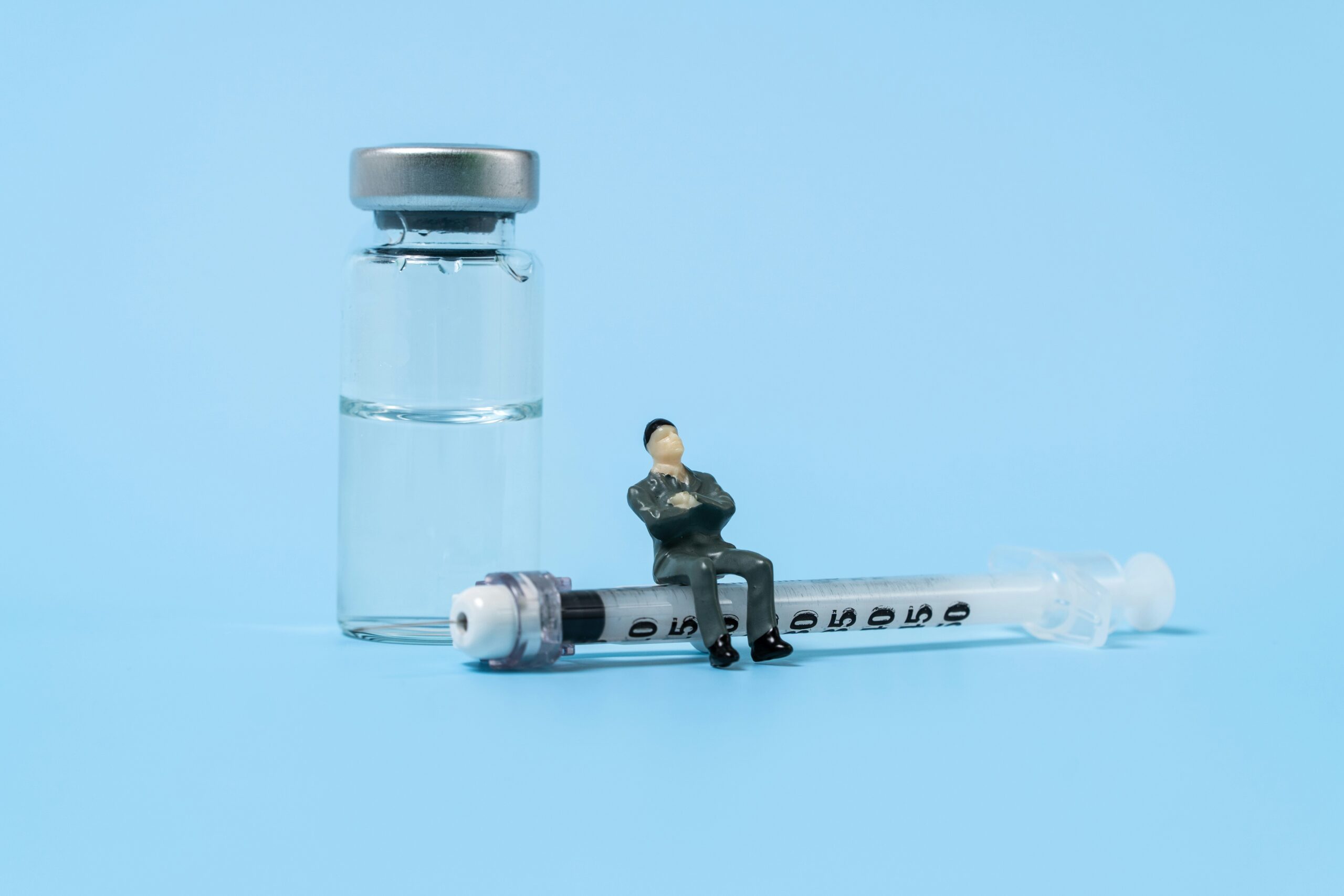
Understanding insulin needle essentials is vital for managing diabetes through subcutaneous injections. Insulin regulates glucose levels, requiring daily administration for individuals with type 1 and many with type 2 diabetes. This guide explores proper equipment selection, needle sizes, injection techniques, and safe disposal practices to ensure effective treatment.
The Role of Insulin
Insulin acts as a key, unlocking cells to allow glucose to enter and be used for energy. Without sufficient insulin, glucose builds up in the bloodstream, leading to hyperglycemia and its associated complications. Consistent and accurate insulin delivery is paramount for managing diabetes effectively.
Methods of Insulin Delivery
While various forms of insulin delivery exist, such as pumps and inhalers, this article concentrates on subcutaneous injection using needles. This remains the most common and accessible method for many individuals with diabetes.
Insulin Syringes: Your Basic Tool
Insulin syringes are specifically designed for self-administration of insulin. Their design prioritizes accuracy, ease of use, and patient comfort.
Syringe Construction
An insulin syringe comprises three main components:
- Barrel: A plastic cylinder marked with units of insulin, typically in 0.5-unit, 1-unit, or 2-unit increments. The barrel’s capacity varies, commonly 0.3 mL, 0.5 mL, and 1 mL, corresponding to doses of 30, 50, and 100 units, respectively. Choosing the correct barrel size ensures accurate dosing and reduces the risk of error.
- Plunger: A rod with a rubber stopper that fits snugly inside the barrel. Pushing the plunger expels insulin from the syringe.
- Needle: A fine, hollow tube attached to the barrel, responsible for piercing the skin and delivering insulin.
Syringe Units and Dosing
Insulin is measured in “units.” Most insulin preparations are U-100, meaning 100 units of insulin per milliliter. It is crucial to use a U-100 syringe for U-100 insulin. Using a non-insulin syringe or one designed for a different insulin concentration (e.g., U-200) can lead to significant dosing errors. Always confirm your insulin concentration and match it with the appropriate syringe.
Choosing the Right Syringe Size
Selecting the correct syringe size is critical for accurate dosing.
- For doses under 30 units: A 0.3 mL syringe with 1-unit markings is often suitable. This allows for precise measurement of small doses.
- For doses between 30 and 50 units: A 0.5 mL syringe, often marked in 1-unit or 2-unit increments, is generally appropriate.
- For doses over 50 units: A 1 mL syringe, typically marked in 2-unit increments, is commonly used.
Using a syringe that is too large for a small dose can make accurate measurement difficult, increasing the risk of under or over-dosing. Conversely, using a syringe that is too small for a large dose necessitates multiple injections, which can be inconvenient and increase injection site trauma.
Pen Needles: Convenience and Precision

Insulin pens offer a convenient alternative to traditional syringes. Manufacturers design pen needles specifically for these devices. A fine needle attaches to a plastic hub that screws directly onto the pen. Always use pen needles a single time to maintain sharpness, prevent infections, and avoid tissue complications.
Pen Needle Design
Pen needles consist of a fine, hollow needle attached to a plastic hub that screws or clips onto an insulin pen device. They are designed for single use and come in various lengths and gauges.
Needle Lengths and Gauges
The “gauge” of a needle refers to its diameter; a higher gauge number indicates a finer (thinner) needle. “Length” refers to the distance the needle can penetrate the skin.
- Lengths: Common lengths range from 4 mm to 12.7 mm. Shorter needles (e.g., 4 mm, 5 mm, 6 mm) are generally preferred for most adults and children, as they minimize the risk of intramuscular injection, which can affect insulin absorption and cause discomfort.
- Gauges: Common gauges range from 32G (thinnest) to 29G (thicker). Finer needles often result in less pain during injection. Many individuals find 31G or 32G needles to be the most comfortable.
The choice of needle length and gauge should be made in consultation with a healthcare professional, considering factors such as body mass index (BMI), injection site, and individual preference. Shorter needles (4mm, 5mm) are generally recommended regardless of BMI, as they reduce the likelihood of injecting into muscle tissue.
Single-Use Policy
Pen needles are designed for single use only. Reusing needles can lead to several problems:
- Dulling: Repeated use dulls the needle tip, making injections more painful.
- Bending: Needles can bend or break during reuse, potentially causing injury.
- Blockage: Insulin crystalization can block the needle, preventing proper dosage.
- Infection: Reusing needles increases the risk of infection at the injection site.
- Lipohypertrophy: Repeated trauma to the same area with a dull needle can contribute to lipohypertrophy, a localized thickening of fatty tissue that impairs insulin absorption.
Always dispose of used pen needles in a sharps container immediately after use.
Injection Site Rotation: The Unsung Hero

Regular rotation of injection sites is a cornerstone of effective insulin management. It helps prevent complications and ensures consistent insulin absorption.
Why Rotate Injection Sites?
Think of your injection sites as different wells in a field. If you always draw water from the same well, it will eventually dry up or become contaminated. Similarly, repeatedly injecting into the same small area can lead to:
- Lipohypertrophy: This condition, characterized by lumps or thickened tissue under the skin, can act as a sponge, unevenly absorbing insulin and leading to unpredictable glucose levels.
- Impaired Insulin Absorption: Areas affected by lipohypertrophy absorb insulin inconsistently, making blood glucose control challenging.
- Increased Pain and Bruising: Repeated trauma to the same area can lead to localized pain, bruising, and discomfort.
Recommended Injection Sites
The most common and effective injection sites include:
- Abdomen: The area around the navel, avoiding a 2-inch radius directly around it. This site generally offers consistent and relatively rapid insulin absorption.
- Thighs: The front and outer aspects of the thighs.
- Upper Arms: The outer, fatty part of the upper arms.
- Buttocks: The upper outer quadrants.
Strategies for Effective Rotation
Implementing a systematic rotation strategy is crucial. Consider these approaches:
- Quadrant Method: Divide each major injection area (e.g., abdomen) into four quadrants. Inject in one quadrant for a week, then move to the next.
- Clock Method: Imagine a clock face on each injection area and inject at different “hours” each time.
- Distance Method: Ensure each new injection is at least 1 cm (approximately half an inch) away from the previous one.
- Visual Tracking: Some individuals find it helpful to keep a simple log or diagram of their injection sites.
Regularly palpate your injection sites for any hardening, lumps, or tenderness. If you detect any, avoid that area until it returns to normal.
Sharps Disposal: Safety First
| Needle Length (mm) | Gauge | Typical Use | Recommended Injection Site | Common User Group |
|---|---|---|---|---|
| 4 | 32 | Subcutaneous injections for adults and children | Abdomen, thigh, upper arm | Adults and children |
| 5 | 31 | Subcutaneous injections, slightly deeper than 4mm | Abdomen, thigh, upper arm | Adults |
| 6 | 31 | Subcutaneous injections, for patients with more subcutaneous fat | Abdomen, thigh, upper arm | Adults with higher BMI |
| 8 | 30 | Subcutaneous injections, less commonly used | Abdomen, thigh, upper arm | Adults |
| 12.7 | 28 | Used for intramuscular injections (rare for insulin) | Deltoid muscle | Special cases |
Proper disposal of used needles and syringes is not just a recommendation; it’s a critical safety measure for you, your household, and the community.
The Dangers of Improper Disposal
Needles are “sharps” because they are capable of cutting or puncturing skin. Improperly disposed sharps pose several risks:
- Needlestick Injuries: Accidental sticks can transmit blood-borne diseases such as HIV, hepatitis B, and hepatitis C. This risk affects not only the user but also family members, sanitation workers, and others who may come into contact with waste.
- Environmental Contamination: Sharps can contaminate public spaces and harm wildlife if not disposed of correctly.
Approved Sharps Containers
The safest method for disposing of used syringes and pen needles is to place them immediately into an approved sharps container. These containers are specifically designed to be:
- Puncture-resistant: Made from hard plastic that a needle cannot penetrate.
- Leak-proof: Prevents any contents from leaking out.
- Clearly labeled: Often marked with a biohazard symbol or “sharps waste.”
- Securely closable: Equipped with a tight-fitting, tamper-proof lid.
Many pharmacies or healthcare providers can supply or recommend suitable sharps containers.
Home-made Sharps Containers (If Approved by Local Regulations)
In some regions, and only if permitted by local regulations, a heavy-duty plastic container, such as a laundry detergent bottle or a rigid plastic milk jug, can be used as a temporary sharps container. It must have a tight-fitting, screw-on lid and be clearly labeled “Sharps” or “Hazardous Waste.” However, commercially available sharps containers are generally preferred due to their superior safety features. Never use glass containers, thin plastic bottles, or coffee cans for sharps disposal.
Disposal Methods for Full Sharps Containers
Once your sharps container is largely full (usually about two-thirds to three-quarters full, to allow space for the lid to close securely), it needs to be disposed of properly. Disposal methods vary by location, so it’s essential to check your local regulations:
- Sharps Mail-Back Programs: Some companies offer mail-back services where you package your sharps container according to their instructions and mail it to a designated disposal facility.
- Community Collection Sites: Many communities have designated drop-off points, such as hospitals, pharmacies, health departments, or fire stations, where residents can safely dispose of their sharps containers.
- Medical Waste Pick-up Services: For those with higher volumes of sharps, some medical waste disposal companies offer home pick-up services.
- Household Hazardous Waste Facilities: Some local hazardous waste facilities accept sharps containers.
Never place sharps containers in regular household trash, recycling bins, or flush them down the toilet. Your healthcare provider or local waste management authority can provide specific guidance on sharps disposal in your area.
Storage and Handling of Insulin and Needles
Proper storage and handling of insulin and needles are essential to maintain insulin efficacy and prevent complications.
Insulin Storage
Insulin is a sensitive medication and requires careful storage.
- Unopened Vials/Pens: Unopened insulin should be stored in the refrigerator (2°C to 8°C or 36°F to 46°F). Do not freeze insulin, as freezing can damage its structure and render it ineffective.
- Opened Vials/Pens: Once opened, insulin vials or pens can generally be stored at room temperature (15°C to 30°C or 59°F to 86°F) for a specific period, typically 28 days, though this can vary by brand. Always check the manufacturer’s instructions on the insulin packaging for precise storage durations. Beyond this period, the insulin may lose its potency.
- Avoid Extreme Temperatures: Do not expose insulin to direct sunlight, extreme heat (e.g., inside a hot car), or freezing temperatures. These conditions can degrade the insulin, making it less effective or even ineffective.
- Visual Inspection: Before each use, visually inspect your insulin. It should appear clear and colorless (for clear insulin like rapid-acting and long-acting analogues) or uniformly cloudy (for NPH insulin, which requires gentle rolling between the palms before use). Do not use insulin if it appears discolored, clumpy, or has particles.
Needle Storage
Insulin syringes and pen needles come in sterile packaging.
- Keep Sealed: Store needles in their original, sealed packaging until immediately before use. This maintains their sterility.
- Protect from Damage: Avoid storing needles in places where they could be crushed or bent, which could compromise their integrity.
- Away from Children: Store all insulin supplies, including needles, out of reach of children and pets. Accidental exposure or injury can be dangerous.
Preparing for Injection
Before each injection, ensure you have:
- Clean Hands: Wash your hands thoroughly with soap and water or use an alcohol-based hand sanitizer. This reduces the risk of introducing bacteria to the injection site.
- Clean Injection Site: Clean the injection site with an alcohol wipe. Allow the alcohol to dry completely before injecting; injecting through wet alcohol can increase stinging.
- Check Expiration Dates: Verify the expiration date on both your insulin and your needles.
By diligently following these guidelines for needle and insulin selection, injection technique, site rotation, and safe disposal, individuals with diabetes can manage their condition effectively and minimize potential complications. Regular consultation with a healthcare professional is recommended to ensure your insulin regimen and injection practices are optimal for your individual needs.
Accurate blood glucose monitoring works hand in hand with consistent daily insulin delivery, following safety and device guidelines established by the U.S. Food and Drug Administration (FDA). To choose the right testing device for tracking your daily blood sugar levels, explore our comprehensive guide on selecting a glucose meter. For individuals acquiring diabetes care supplies and specialized monitoring gear through insurance, review our overview of ordering options via Edgepark Medical Supply. Additionally, healthcare facilities and clinics seeking high-grade clinical tools can read our detailed guide on evaluating hospital medical equipment suppliers.
No Comments