

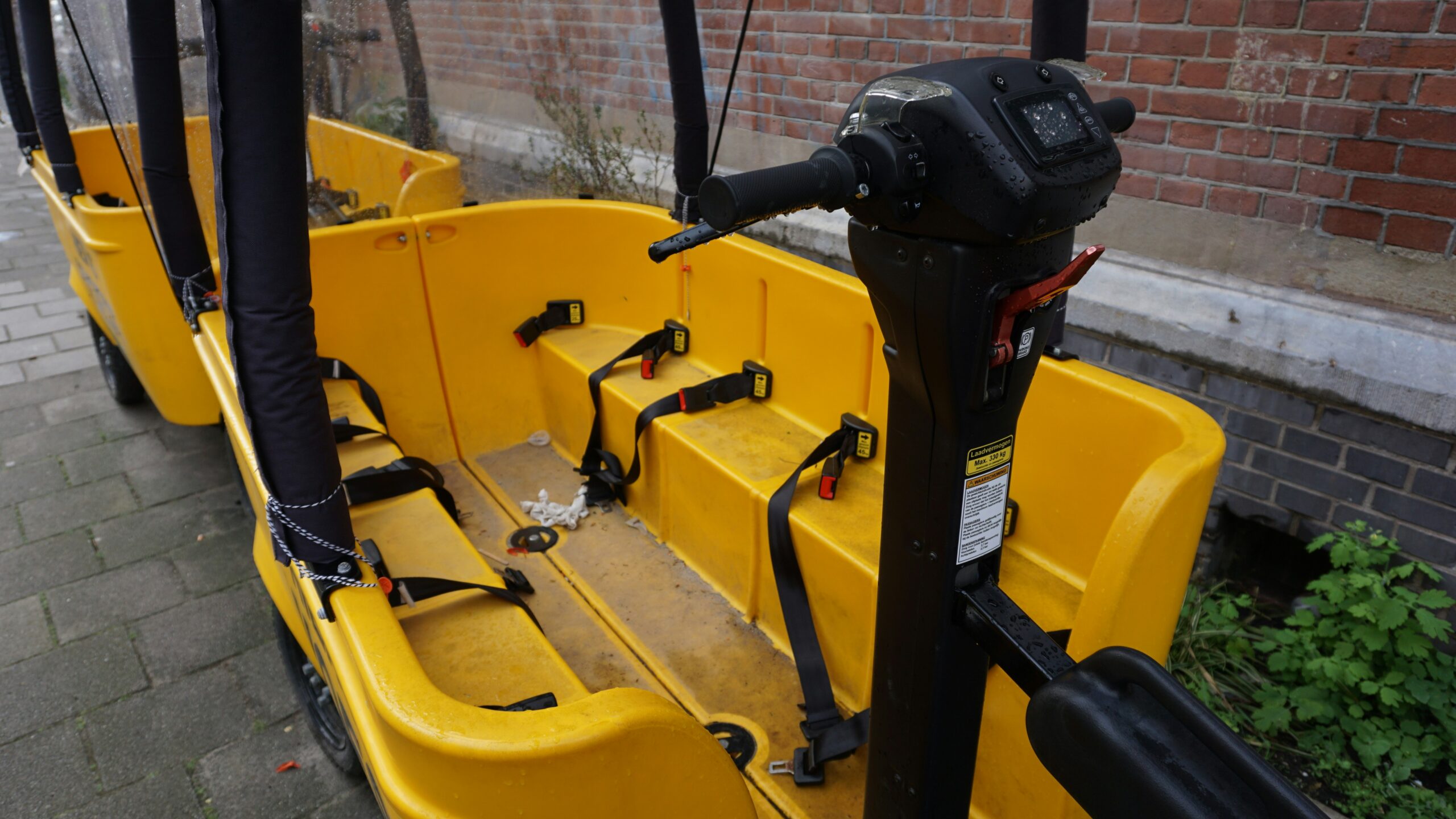
Gear that endures, often referred to as long-lasting gear, is equipment designed and manufactured with an emphasis on durability and longevity. This approach contrasts with products that are intended for frequent replacement or have a shorter functional lifespan. The development and selection of long-lasting gear involve considerations of material science, engineering, manufacturing processes, and user maintenance practices. Its significance lies in its potential to reduce waste, lower overall costs for users, and ensure operational reliability in various applications.
The foundation of any durable piece of equipment lies in the materials from which it is constructed. Choosing the right substances is as crucial as selecting the right tools for a complex repair; the wrong material is a weak link waiting to break. This section examines how various material properties contribute to longevity and the common types of materials employed.
High-Strength Alloys
Metals engineered for superior tensile strength, yield strength, and hardness are frequently utilized in high-stress applications.
- Steel Alloys: Carbon steel, stainless steel, and alloy steel blends offer a wide range of properties. For instance, stainless steel provides inherent corrosion resistance, extending its life in humid or chemically active environments. High-carbon steels, when properly heat-treated, can achieve exceptional hardness for cutting edges or wear surfaces.
- Aluminum Alloys: While lighter than steel, specific aluminum alloys, particularly those reinforced with elements like copper, magnesium, or titanium, can offer remarkable strength-to-weight ratios. These are often found in aerospace and high-performance sporting goods where both durability and weight are critical.
- Titanium Alloys: Known for their exceptional strength, low density, and excellent corrosion resistance, titanium alloys represent a premium choice for applications demanding extreme durability without significant weight penalties. They are common in demanding environments such as deep-sea equipment or specialized medical implants, where failure is not an option.
- Superalloys: Nickel, cobalt, and iron-based superalloys are engineered to withstand extreme temperatures and stresses, making them suitable for jet engines, power turbines, and other high-performance industrial applications. Their complex microstructures prevent deformation and failure under conditions that would incapacitate conventional metals.
Advanced Polymers and Composites
Beyond metals, modern materials science offers sophisticated polymeric and composite options that provide unique advantages in durability.
- Engineered Plastics: High-performance thermoplastics like Nylon, Polycarbonate, and PEEK (Polyether ether ketone) are selected for their combination of strength, abrasion resistance, and chemical inertness. They often outlast traditional plastics in applications involving friction or exposure to solvents.
- Fiber-Reinforced Composites: Combining strong fibers (such as carbon fiber, fiberglass, or aramid fiber) with polymer matrices creates materials with exceptional stiffness, strength, and impact resistance. Carbon fiber composites, for example, are lighter than steel and can withstand significant forces, making them ideal for sporting equipment, automotive parts, and structural components.
- Ceramics and Cermets: For applications involving extreme abrasion, high temperatures, or chemical attack, advanced ceramics like alumina, zirconia, or silicon carbide offer unparalleled hardness and resistance. Cermets, which are composite materials of ceramic and metallic phases, combine the hardness of ceramics with the toughness of metals, finding use in cutting tools and wear-resistant coatings.
- Elastomers and Rubbers: High-quality natural and synthetic rubbers are chosen for their resilience, shock absorption, and resistance to degradation from UV light, ozone, or specific chemicals. Their ability to deform and return to their original shape without permanent damage is critical for seals, gaskets, tires, and vibration dampening systems.
Surface Treatments and Coatings
The inherent properties of a material can be further enhanced through surface treatments. Think of them as armor for the base material, protecting it from its environment.
- Hardcoating: Applying a hard layer to a surface, such as through physical vapor deposition (PVD) or chemical vapor deposition (CVD), significantly increases scratch and abrasion resistance. This is vital for optical lenses, tools, and high-wear components.
- Corrosion-Resistant Coatings: Galvanization, anodizing, and specialized paints or epoxy coatings create a barrier against oxidation and chemical attack, drastically extending the lifespan of metal components exposed to moisture or corrosive substances.
- Wear-Resistant Treatments: Techniques like nitriding or carburizing for metals create a hardened outer layer that resists wear and fatigue, commonly seen in gears, shafts, and engine components.
- Hydrophobic and Oleophobic Coatings: These advanced coatings repel water and oil, respectively, making surfaces easier to clean, reducing the adherence of contaminants, and preventing degradation caused by moisture ingress.
Engineering for Longevity: Design Principles
Beyond materials, the way equipment is designed plays a paramount role in its ability to withstand the rigors of use over time. A well-designed piece of gear is like a robust bridge, engineered to bear loads far beyond its normal operational stress.
Stress Management and Load Distribution
Understanding and mitigating the forces acting on equipment is a cornerstone of durable design.
- Finite Element Analysis (FEA): This computational method allows engineers to simulate how stress is distributed across a component under various loads. Identifying high-stress areas enables design modifications to reinforce weak points or redistribute forces more evenly, preventing premature failure.
- Radius and Fillet Design: Sharp corners are stress concentrators, points where forces tend to gather and initiate cracks. Incorporating generous radii and fillets at transitions naturally guides stress flow, creating a smoother path and reducing the likelihood of fracture.
- Redundancy in Critical Systems: For equipment where failure would have severe consequences, engineers may incorporate redundant components or systems. If one part fails, a backup can take over, ensuring continued operation and preventing total system collapse.
- Fatigue Resistance: Material fatigue occurs when repeated stress cycles, even below the material’s yield strength, cause microscopic cracks to grow over time, eventually leading to failure. Designs that minimize stress concentrations and use materials with high fatigue limits are crucial for long-term durability.
Sealing and Environmental Protection
Protecting the internal workings of equipment from external elements is essential for preventing degradation and maintaining functionality.
- Ingress Protection (IP) Ratings: These standardized ratings define the degree of protection an enclosure offers against dust and water. Higher IP ratings indicate better sealing and thus greater longevity in challenging environments.
- Gasket and Seal Design: The selection and proper integration of gaskets and seals are critical for preventing moisture, dust, and contaminants from entering sensitive components. Materials like silicone, EPDM rubber, and Viton are chosen based on their chemical resistance, temperature tolerance, and sealing properties.
- Vibration Dampening: Excessive vibration can lead to component wear, loosening of fasteners, and material fatigue. Incorporating vibration dampening mechanisms, such as rubber mounts or shock-absorbing materials, reduces these stresses and extends the lifespan of the equipment.
- Thermal Management: Overheating or extreme temperature fluctuations can degrade materials and stress components. Effective thermal management, through heat sinks, ventilation, or insulation, helps maintain optimal operating temperatures, contributing to longevity.
Modular Design and Ease of Repair
Creating equipment that can be easily maintained and repaired is a direct contributor to its long-term viability.
- Standardization of Components: Using standardized fasteners, connectors, and interchangeable parts simplifies the replacement process and reduces the need for specialized tools or proprietary parts.
- Accessibility of Components: Designs that allow for easy access to internal components without requiring extensive disassembly minimize repair time and the risk of damaging other parts during maintenance.
- Replaceable Wear Parts: Identifying components that are subject to wear and designing them to be easily replaceable (e.g., blades on a cutting tool, filters in an engine) allows users to maintain peak performance without discarding the entire unit.
- Diagnostic Features: Some advanced equipment incorporates built-in diagnostic systems or indicators that alert users to potential issues before they lead to catastrophic failure, enabling proactive maintenance.
Manufacturing Processes for Enhanced Durability

The quality of assembly and manufacturing techniques directly influences how well an engineered design translates into a durable product. Precision in manufacturing is like careful stitching; it holds everything together.
Precision Machining and Fabrication
High-tolerance manufacturing ensures that parts fit together perfectly, minimizing wear and stress.
- CNC Machining: Computer Numerical Control (CNC) machining allows for highly precise shaping and cutting of materials. This precision is vital for creating components with tight tolerances, ensuring optimal fit and function.
- Laser and Waterjet Cutting: These non-contact cutting methods can produce intricate shapes with minimal heat-affected zones, preserving material integrity and allowing for complex designs without compromising strength.
- Precision Welding and Joining: Techniques like TIG welding, laser welding, or specialized adhesive bonding ensure strong, durable joints that can withstand significant stress without failing. The quality of the weld is paramount; a flawed weld is an opening for weakness.
- Grinding and Polishing: Achieving smooth surfaces through grinding and polishing reduces friction and wear, particularly important for rotating parts, sliding mechanisms, and optical components.
Quality Control and Testing Protocols
Rigorous testing at various stages of production ensures that the final product meets durability standards.
- Material Verification: Incoming raw materials are tested to confirm they meet specified strength, purity, and composition requirements.
- In-Process Inspection: Quality checks are performed at multiple stages of manufacturing to identify and correct defects early, preventing them from propagating through the production line.
- Destructive and Non-Destructive Testing:
- Destructive Testing: Samples are subjected to extreme conditions (e.g., tensile strength tests, impact tests, fatigue tests) to determine their failure points and confirm they exceed design specifications.
- Non-Destructive Testing (NDT): Methods like ultrasonic testing, X-ray inspection, or dye penetrant testing are used to detect internal flaws or surface cracks without damaging the component.
- Environmental Simulation: Equipment is often tested under simulated environmental conditions (e.g., extreme temperatures, humidity, salt spray) to assess its performance and durability in real-world scenarios.
Robust Assembly and Finishing
The final steps of putting a product together and applying protective finishes are critical.
- Torque Control: Tightening fasteners to precise torque specifications ensures that components are secured correctly, preventing loosening due to vibration or over-tightening that could damage threads or materials.
- Cleanroom Assembly: For sensitive electronics or optical equipment, assembly in controlled cleanroom environments prevents contamination that could compromise performance and longevity.
- Protective Coatings and Treatments: The application of wear-resistant, corrosion-resistant, or cosmetic finishes is often a final step that significantly enhances the product’s lifespan and aesthetic appeal.
- Final Product Testing: Beyond component testing, the assembled product undergoes functional tests to ensure all systems operate as intended and meet performance benchmarks.
User Maintenance and Care for Extended Lifespan

The most robustly built equipment can be rendered short-lived through neglect. Proper user care is the ongoing stewardship of the investment, ensuring it performs its intended function for as long as possible. Think of maintenance as an oil change for a car; it’s a small effort that prevents major breakdowns.
Regular Cleaning and Inspection
Dirt and debris are insidious enemies of mechanical systems.
- Dirt and Contamination Removal: Accumulated dust, grime, and chemical residues can cause abrasion, clog moving parts, and promote corrosion. Regular cleaning with appropriate agents removes these hazards.
- Visual Inspection: A quick visual check for obvious signs of wear, damage, loose parts, or leaks can often identify minor issues before they escalate into significant problems.
- Lubrication: Many mechanical systems require regular lubrication to reduce friction and wear. Using the correct type and amount of lubricant is crucial. Over-lubrication can attract dirt, while under-lubrication leads to premature wear.
Preventative Maintenance Schedules
Establishing a routine for checking and servicing equipment is key.
- Following Manufacturer Recommendations: User manuals typically provide detailed recommended maintenance schedules and procedures. Adhering to these is the most reliable way to ensure longevity.
- Scheduled Component Checks: Certain components, like filters, seals, or wear pads, have defined service lives. Scheduling their inspection and replacement proactively prevents failures.
- Calibration and Tuning: For precision instruments or calibrated tools, periodic calibration ensures accuracy and prevents gradual drift that could lead to incorrect operation and potential damage.
- Record Keeping: Maintaining a log of maintenance activities, repairs, and unusual observations can provide valuable insight into the equipment’s history and help predict future needs.
Proper Storage and Handling
How equipment is stored when not in use, and how it’s handled during operation, significantly impacts its life.
- Environmental Storage: Storing equipment in a clean, dry environment, away from extreme temperatures, direct sunlight, and corrosive elements, prevents degradation.
- Protective Cases and Covers: Using appropriate cases, covers, or carrying systems protects equipment from physical damage, dust, and moisture during transport and storage.
- Correct Handling Procedures: Operators should be trained in the correct methods for using, lifting, and transporting equipment to avoid accidental damage or undue stress.
- Avoiding Overload and Misuse: Operating equipment beyond its intended capacity or using it for purposes it was not designed for is a direct path to premature failure.
Understanding Limitations and Seeking Professional Help
Knowing when a task is beyond the scope of routine maintenance is vital.
- Recognizing Symptoms of Wear: Understanding common signs of wear, such as unusual noises, vibrations, reduced performance, or abnormal heat generation, allows for early intervention.
- Prompt Repair of Minor Issues: Addressing small problems immediately, such as a loose screw or a minor leak, prevents them from causing more significant damage down the line.
- Professional Servicing for Complex Repairs: For issues requiring specialized knowledge, tools, or diagnostic equipment, engaging qualified technicians ensures that repairs are performed correctly and effectively.
- Knowing When to Replace: While the goal is longevity, understanding the economic and functional limits of a piece of equipment is also important. At some point, the cost of ongoing repairs may outweigh the expense of replacement.
The Economic and Environmental Advantages of Long-Lasting Gear
| Equipment Type | Average Lifespan (Years) | Maintenance Frequency (per Year) | Typical Usage Hours per Day | Common Materials |
|---|---|---|---|---|
| Industrial Generator | 20 | 4 | 8 | Steel, Copper |
| HVAC System | 15 | 2 | 10 | Aluminum, Steel |
| Forklift | 12 | 6 | 6 | Steel, Rubber |
| Conveyor Belt | 10 | 3 | 16 | Rubber, Steel |
| Water Pump | 18 | 2 | 12 | Cast Iron, Stainless Steel |
The benefits of investing in durable equipment extend beyond immediate function, impacting both financial resources and the broader environment. Choosing gear that lasts is often a sound investment, a strategy that pays dividends over time.
Reduced Lifecycle Costs
The initial purchase price of durable gear may be higher, but its extended lifespan leads to significant savings over time.
- Lower Replacement Frequency: Durable equipment requires less frequent replacement, directly reducing capital expenditure and the associated labor costs of installation and disposal.
- Minimized Repair Expenses: While repairs are sometimes necessary, high-quality, durable items generally experience fewer breakdowns, leading to lower overall maintenance and repair costs throughout their operational life.
- Consistent Performance: Long-lasting gear often maintains its original performance levels for longer periods, avoiding the productivity losses associated with degraded or failing equipment.
- Resale Value: Well-maintained, durable equipment often retains a higher resale value when it is eventually retired, recouping a portion of the initial investment.
Environmental Sustainability
The production and disposal of goods have significant environmental footprints. Durable products contribute positively to sustainability efforts.
- Reduced Waste Generation: By extending the usable life of products, long-lasting gear reduces the volume of discarded items ending up in landfills or requiring energy-intensive recycling processes.
- Conservation of Resources: Manufacturing new items consumes raw materials, water, and energy. Producing fewer items over time means a lower demand for these finite resources.
- Lower Carbon Footprint: The entire lifecycle of a product, from raw material extraction and manufacturing to transportation and disposal, generates greenhouse gas emissions. Extending the life of products significantly shrinks this overall carbon footprint.
- Reduced Pollution: The manufacturing processes for many goods can generate air and water pollution. A lower production volume directly correlates with reduced environmental pollution.
Reliability and Operational Efficiency
In critical applications, the failure of equipment can have severe consequences.
- Minimizing Downtime: Equipment failure leads to operational downtime, which can result in lost revenue, missed deadlines, and disruptions to services. Durable gear is inherently more reliable, minimizing these costly interruptions.
- Predictable Performance: Users can depend on long-lasting equipment to perform consistently and predictably, allowing for better planning and execution of tasks.
- Safety: In many industries, equipment failure poses a direct safety risk to personnel. Durable, reliable gear contributes to a safer working environment.
- Enhanced User Confidence: Knowing that one is using dependable equipment fosters greater confidence and efficiency for the end-user. This psychological benefit, while harder to quantify, is nonetheless important.
The deliberate selection, design, manufacturing, and maintenance of long-lasting gear represents a commitment to both value and responsibility. It is an approach that prioritizes substance over transience, creating a more sustainable and reliable operational landscape.
No Comments