

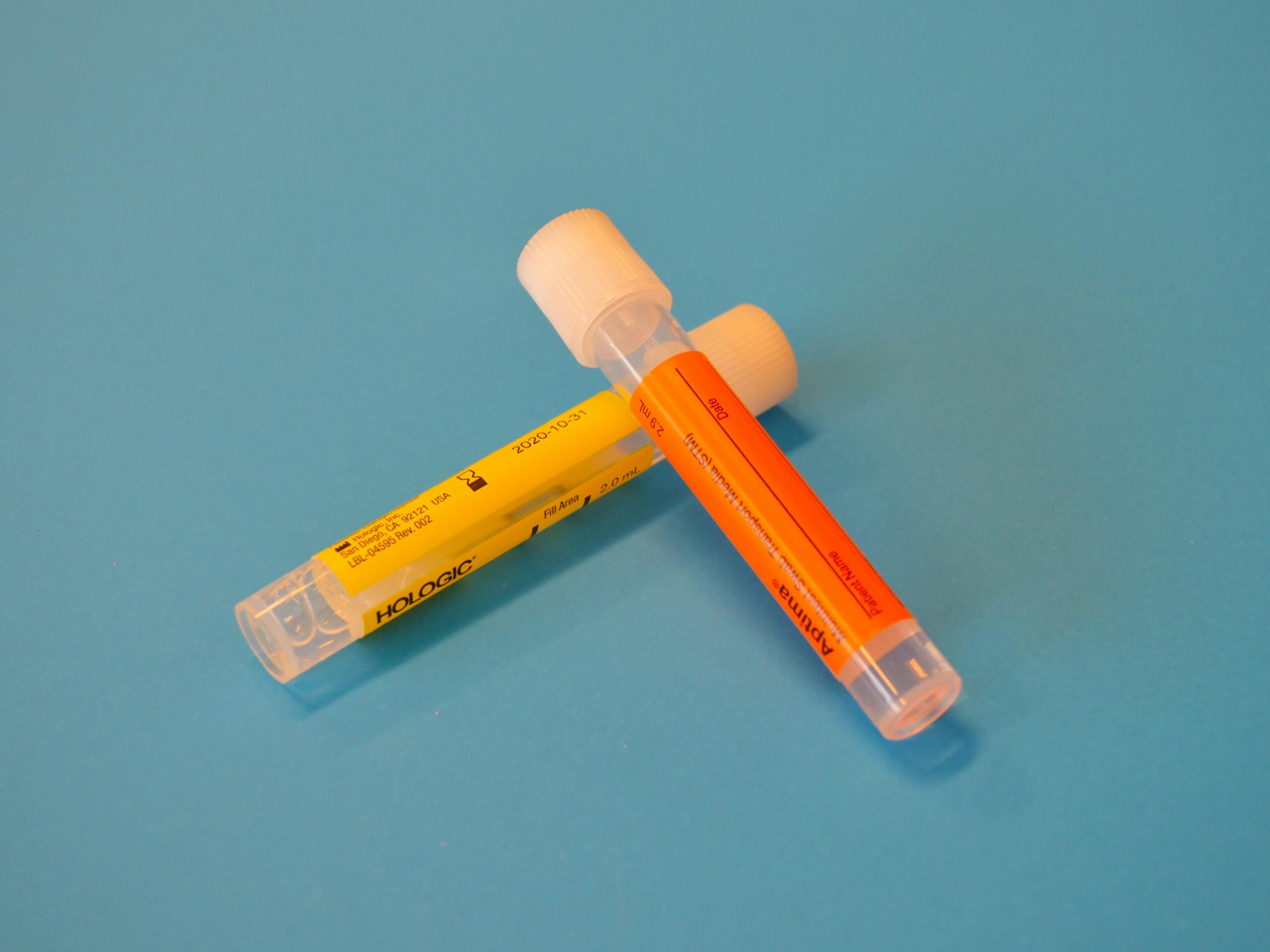
Access to necessary medical supplies is a foundational aspect of maintaining health and well-being. Whether you require prescription medications, over-the-counter remedies, or specialized medical equipment, locating these items efficiently near your current location is crucial. This guide aims to provide a structured approach to identifying and accessing local medical supply resources, ensuring you can procure what you need without unnecessary delay or difficulty. Navigating this landscape can sometimes feel like charting an unknown territory, but with a systematic approach, you can find the essential provisions for your health.
Before embarking on a search for medical supplies, a clear understanding of your specific requirements is paramount. This initial step acts as your compass, directing your search towards the most relevant sources.
Identifying Prescription Medication Requirements
Prescription medications are often the cornerstone of managing chronic conditions or acute illnesses. Their procurement necessitates a valid prescription from a licensed healthcare professional.
Collaborating with Your Physician
Your physician is the primary gatekeeper for prescription medications. They will diagnose your condition, determine the appropriate therapeutic course, and issue a prescription that details the medication, dosage, frequency, and duration of treatment. Effective communication with your doctor ensures that your prescription accurately reflects your medical needs. Discuss any concerns about side effects, cost, or availability of alternatives.
Understanding Prescription Formats and Information
Prescriptions can be issued in various formats, including paper, electronic (e-prescriptions sent directly to pharmacies), or by phone. Familiarize yourself with the information presented on your prescription: the drug name (generic and brand), strength, dosage form (e.g., tablet, capsule, liquid), quantity, and refill information. This detail is essential for accurate dispensing.
Assessing Over-the-Counter (OTC) Product Needs
Over-the-counter products encompass a wide array of health-related items that do not require a prescription. These can range from pain relievers and cold remedies to wound care supplies and personal hygiene products.
Differentiating Between OTC Categories
OTC products can be broadly categorized by their intended use: analgesics (pain relievers), antipyretics (fever reducers), antihistamines, decongestants, antacids, laxatives, topical treatments, and diagnostic tests (e.g., pregnancy tests, glucose monitoring strips). Understanding these categories helps in identifying the specific type of OTC product you might require.
Evaluating Product Efficacy and Safety
While OTC products are generally considered safe for intended use, it is important to read labels carefully. Pay attention to active ingredients, recommended dosage, warnings, and potential drug interactions. If you have pre-existing medical conditions or are taking other medications, consult with a pharmacist or healthcare provider to ensure the chosen OTC product is appropriate for you.
Determining Requirements for Medical Equipment and Devices
Beyond medications, many individuals require medical equipment or devices to manage their health at home. This can include mobility aids, respiratory devices, home monitoring systems, or assistive technologies.
Assessing Functional Limitations and Support Needs
The type of medical equipment required is often dictated by specific functional limitations or support needs. For example, someone with mobility issues might require a walker, wheelchair, or grab bars, while a person with a respiratory condition might need an oxygen concentrator or CPAP machine.
Considering Short-Term vs. Long-Term Needs
Medical equipment can be rented or purchased, depending on whether the need is temporary or ongoing. For short-term recovery from an injury or illness, rental might be more cost-effective. For chronic conditions, purchasing durable medical equipment may be a more sustainable solution.
Locating Pharmacies and Drugstores: The First Port of Call
Pharmacies and drugstores are often the most accessible and comprehensive sources for both prescription and a vast array of over-the-counter medical supplies. Their presence in most communities makes them a logical starting point for many searches.
Identifying Pharmacies in Your Vicinity
Pharmacies can be found as standalone businesses or as departments within larger retail stores. Their widespread distribution ensures that options are generally available within a reasonable radius from most populated areas.
Utilizing Online Search Engines and Maps
Online search engines and mapping applications are invaluable tools for locating nearby pharmacies. Entering search terms such as “pharmacy near me,” “drugstore,” or “chemist” will populate a list of available establishments, often with their addresses, phone numbers, and operating hours.
Exploring Pharmacy Chains and Independent Stores
Major pharmacy chains operate throughout many regions, offering a consistent range of products and services. In addition, independent pharmacies, while sometimes fewer in number, can offer personalized service and may carry specialized items.
Understanding Pharmacy Services and Specializations
Beyond dispensing medications, pharmacies offer a range of services that can be beneficial in your search for medical supplies.
Prescription Filling and Refill Management
The primary function of a pharmacy is to accurately fill prescriptions. Many pharmacies also offer convenient refill management services, allowing patients to set up automatic refills or receive notifications when their medication is due for renewal. This streamlines the process and helps prevent lapses in treatment.
Over-the-Counter Product Guidance and Recommendations
Pharmacists are trained professionals who can provide valuable guidance on selecting appropriate over-the-counter products. They can help you understand product ingredients, dosages, potential side effects, and interactions with other medications you may be taking. This expertise can be particularly helpful when navigating the diverse and sometimes confusing array of OTC options.
Health and Wellness Consultations
Many pharmacies offer basic health screenings, such as blood pressure checks or flu vaccinations. Some also provide consultations on managing common ailments or adopting healthier lifestyles. These services can be a proactive way to address health needs and obtain relevant product recommendations.
Exploring Medical Supply Stores: Specialized Resources

While pharmacies cover a broad spectrum of needs, specialized medical supply stores cater to more specific or complex requirements, particularly for medical equipment and durable goods. These stores often have a deeper inventory and more specialized knowledge regarding the products they offer.
Identifying Dedicated Medical Supply Retailers
Medical supply stores are businesses specifically focused on the sale and rental of medical equipment, mobility aids, home healthcare products, and adaptive devices.
Differentiating Between Retail and Rental Providers
Some medical supply stores offer both retail sales and rental options. Retail sales are for individuals who intend to purchase and own the equipment long-term, while rentals are suitable for temporary needs, such as post-surgery recovery or rehabilitative therapy. Understanding your duration of need is key in deciding between purchasing and renting.
Locating Stores with Specific Product Inventories
If you require a particular type of medical equipment, such as a hospital bed, oxygen therapy equipment, or specialized wound care supplies, it is advisable to research stores that are known to carry those items. Websites and online directories can often provide information on the product ranges offered by different medical supply stores.
Leveraging the Expertise of Medical Supply Professionals
The staff at medical supply stores are often trained in the use and fitting of the equipment they sell. This specialized knowledge can be a significant asset when you are making complex purchasing decisions.
Assistance with Equipment Selection and Fitting
Professionals at medical supply stores can provide personalized assistance in selecting the most appropriate equipment for your specific condition and needs. They can guide you through the features, benefits, and limitations of various products and ensure proper fitting and acclimatization to devices like prosthetic limbs or custom braces.
Information on Insurance Coverage and Reimbursement
Navigating insurance coverage for medical supplies and equipment can be complex. Employees at dedicated medical supply stores may have experience in working with insurance providers and can offer guidance on what supplies may be covered and how to submit claims for reimbursement. This can substantially ease the financial burden associated with acquiring necessary items.
Demonstrations and Training on Equipment Usage
For certain medical devices, proper usage is critical for effectiveness and safety. Medical supply stores often offer demonstrations and training sessions to ensure you are comfortable and proficient in operating the equipment, whether it’s a stairlift, a nebulizer, or a continuous positive airway pressure (CPAP) machine.
Navigating Online Retailers and E-commerce Platforms

The digital marketplace has opened up a vast landscape for procuring medical supplies, offering convenience and often a wider selection. However, it also requires a discerning approach to ensure quality and reliability.
Assessing the Benefits of Online Procurement
Online retailers have democratized access to a wide range of medical supplies, bringing them directly to your doorstep. This accessibility can be a lifeline, particularly for individuals with limited mobility or those living in areas with fewer physical retail options.
Convenience and Accessibility
The primary advantage of online shopping for medical supplies is its unparalleled convenience. You can browse, compare, and purchase items from the comfort of your home, at any time of day or night. This is especially beneficial for individuals who may find it challenging to travel to physical stores.
Wider Product Selection and Competitive Pricing
Online platforms often feature a broader inventory of medical supplies than brick-and-mortar stores, as they are not constrained by physical shelf space. This wider selection can be advantageous for finding niche products or specific brands. Furthermore, the competitive nature of e-commerce can lead to more favorable pricing.
Responsible Online Purchasing Practices
When buying medical supplies online, it is essential to proceed with caution and employ sound judgment to avoid counterfeit or substandard products. The internet, while a powerful tool, can also be a minefield if not navigated thoughtfully.
Vetting Online Retailers and Ensuring Legitimacy
Before making a purchase, research the online retailer. Look for established companies with clear contact information, customer reviews, and secure payment portals. Avoid websites that seem unprofessional or make unrealistic claims. For prescription medications, ensure the online pharmacy is licensed and accredited.
Verifying Product Specifications and Authenticity
Carefully review product descriptions, images, and specifications to ensure they match your needs precisely. Be wary of unusually low prices, which could be an indicator of counterfeit goods. Reputable online retailers will often provide details about the manufacturer and country of origin.
Understanding Return Policies and Customer Support
Familiarization with a retailer’s return policy is crucial. This ensures you have recourse should the product be defective, incorrect, or not meet your expectations. Clear and responsive customer support channels are also a good indicator of a reliable online vendor.
Considering Government and Non-profit Resources: Support Systems
| Supplier Name | Location | Contact Number | Available Supplies | Operating Hours | Distance (miles) |
|---|---|---|---|---|---|
| HealthCare Supplies Co. | 123 Main St, Springfield | (555) 123-4567 | Face Masks, Gloves, Sanitizers | 8 AM – 6 PM | 1.2 |
| MedEquip Solutions | 456 Elm St, Springfield | (555) 987-6543 | Thermometers, Bandages, Oxygen Tanks | 9 AM – 5 PM | 2.5 |
| QuickMed Supplies | 789 Oak St, Springfield | (555) 555-1212 | Gloves, Syringes, Disinfectants | 7 AM – 7 PM | 0.8 |
| SafeHealth Store | 321 Pine St, Springfield | (555) 222-3333 | Face Masks, PPE Kits, Hand Sanitizers | 10 AM – 4 PM | 3.0 |
Beyond commercial avenues, various government agencies and non-profit organizations offer valuable resources and support for individuals seeking medical supplies, particularly for those facing financial constraints or specific health challenges. These entities act as crucial safety nets.
Identifying Public Health Programs and Initiatives
Government entities at local, state, and federal levels often administer programs designed to ensure public access to essential health services and supplies.
State and Local Health Departments
Your local and state health departments can be sources of information on programs that subsidize or provide access to medical supplies, especially for low-income individuals, seniors, or those with specific chronic conditions. They may offer vaccination clinics, health screenings, or referrals to relevant services.
Public Insurance Programs (Medicare, Medicaid)
For eligible individuals, government-funded health insurance programs like Medicare and Medicaid play a significant role in covering the cost of prescription medications and certain medical equipment. Understanding your eligibility and the specific coverage provided by these programs is essential for managing healthcare expenses.
Exploring Non-profit Organizations and Charitable Services
Numerous non-profit organizations are dedicated to addressing health disparities and providing assistance to individuals in need. Their mission often involves facilitating access to medical supplies and healthcare services.
Disease-Specific Foundations and Support Groups
Many non-profit organizations focus on specific diseases or health conditions. These foundations often provide resources, information, and sometimes direct aid in the form of medical supplies, financial assistance, or logistical support for individuals managing conditions like diabetes, cancer, or specific rare diseases.
Community Health Centers and Clinics
Community health centers and clinics, often operating as non-profit entities, provide affordable healthcare services to underserved populations. They may offer on-site pharmacies, dispensaries for basic medical supplies, or provide referrals to sources for specialized equipment. Their focus is on making healthcare accessible to all segments of the community.
By systematically exploring commercial pharmacies, community health initiatives, and specialized vendors, you can effectively secure the healthcare provisions you require. If you are specifically looking for durable healthcare devices or mobility aids in your city, check our guide on [locating local medical supplies]. For individuals interested in direct-to-door insurance fulfillment services for ongoing conditions, explore our [Edgepark Surgical review]. You can also read official patient advice on prescription management via [Mayo Clinic Prescription and Health Resources].
No Comments