

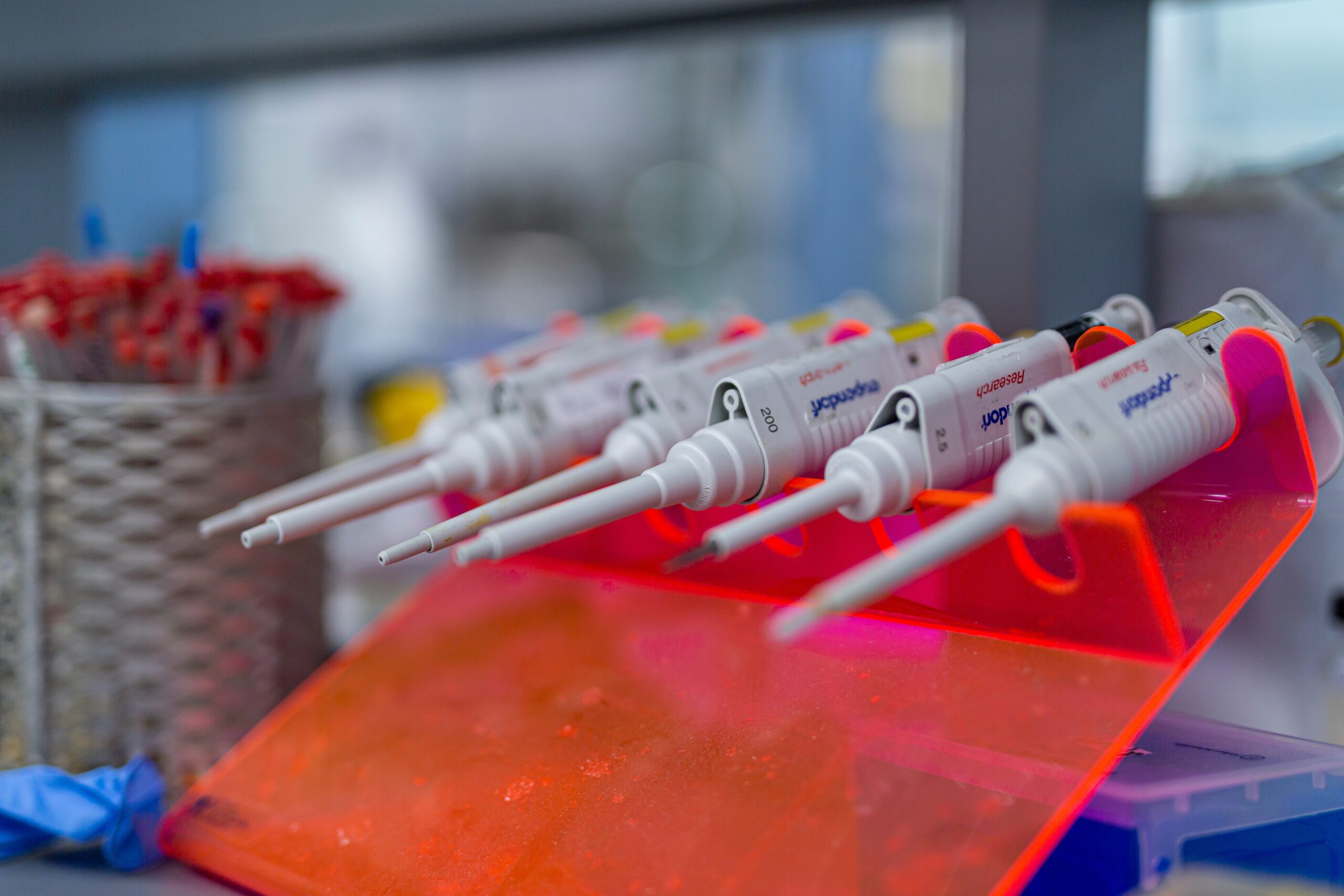
Finding medical equipment supplies locally can be a straightforward process when approached with a clear understanding of available resources. This guide aims to equip you with the knowledge to navigate this landscape efficiently.
Before embarking on your search, a crucial first step is to accurately assess what specific medical equipment you require. This is the bedrock of your search, ensuring you do not waste time or resources on unsuitable options. Think of it as drawing a map before setting out on a journey; knowing your destination is paramount.
Identifying the Type of Equipment
Medical equipment spans a vast spectrum, from simple assistive devices to complex diagnostic machinery. Broadly, these can be categorized into durable medical equipment (DME), disposable supplies, and specialized therapeutic devices.
Durable Medical Equipment (DME)
Durable Medical Equipment refers to equipment that meets certain criteria: it is prescribed by a doctor for home use, is primarily medical in nature, is expected to last for at least three years, and is not generally useful to a person in the absence of illness or injury. Examples include wheelchairs, walkers, hospital beds, CPAP machines, and oxygen concentrators. Understanding if your need falls into this category will shape your search considerably.
Criteria for DME
- Physician Prescription: A doctor’s order is almost always a prerequisite for DME. This documentation verifies the medical necessity of the equipment.
- Home Use: The equipment is intended for use in the patient’s residence.
- Medical Function: Its primary purpose is to serve a medical function, not general convenience.
- Longevity: It is designed and built to withstand repeated use over a significant period.
Disposable Medical Supplies
Disposable medical supplies are items intended for single use or limited reuse, typically discarded after a patient encounter or a set period. These are often consumables that support daily care or specific medical procedures.
Common Disposable Supplies
- Wound Care: Bandages, gauze pads, sterile dressings, antiseptic wipes.
- Incontinence Products: Adult diapers, underpads.
- Personal Care: Gloves, masks, syringes, needles.
- Testing Supplies: Blood glucose test strips, lancets.
Specialized Therapeutic Devices
This category encompasses equipment designed for specific therapeutic interventions, ranging from physical therapy tools to sophisticated home rehabilitation systems.
Examples of Therapeutic Devices
- Physical Therapy Equipment: Resistance bands, exercise balls, TENS units.
- Respiratory Therapy: Nebulizers, peak flow meters.
- Mobility Aids (Advanced): Stairlifts, specialized patient lifts.
Determining the Urgency and Duration of Need
The timeframe and expected duration of your need can influence where you source your equipment. An immediate need for a temporary solution might point towards rental options, while a long-term requirement may favor purchasing.
Temporary vs. Long-Term Needs
- Temporary: For short-term recovery or post-operative needs, renting can be a more cost-effective and practical solution. This allows access to necessary equipment without a large upfront investment.
- Long-Term: If the equipment is required indefinitely or for an extended period, purchasing might be the more economical choice in the long run.
Identifying Funding Sources
Understanding how you will pay for the equipment is a critical part of the planning process. Different funding avenues exist, each with its own set of requirements and procedures. This is where the bureaucratic gears often start to turn.
Insurance Coverage
Health insurance policies, including Medicare and Medicaid, often cover a portion of the cost of medically necessary DME and certain supplies. Understanding your policy’s specifics, including deductibles, co-pays, and prior authorization requirements, is essential.
Navigating Insurance Policies
- Review Your Plan: Carefully read your insurance policy documents or contact your provider directly to understand coverage for medical equipment.
- Prior Authorization: Many insurance companies require prior authorization for DME. This means obtaining approval before acquiring the equipment.
- In-Network Providers: Some insurance plans offer better coverage when you use in-network suppliers.
Out-of-Pocket Expenses
If insurance coverage is limited or unavailable, you will need to consider out-of-pocket payment. This may involve direct purchase from suppliers or utilizing financing options.
Budgeting for Equipment
- Compare Prices: Obtain quotes from multiple suppliers to ensure you are getting a competitive price.
- Financing Options: Some suppliers offer payment plans or financing to make purchases more manageable.
Locating Medical Equipment Suppliers
Once your needs are clearly defined, the next step is to identify where you can acquire the necessary equipment. A multi-pronged approach is often most effective, casting a wide net to capture all potential sources.
Online Search Engines and Directories
The internet has become a primary tool for discovery. Search engines are the initial port of call for finding businesses and services.
Utilizing Search Terms
The most literal approach is to use search phrases such as “medical supply store near me,” “DME provider [your city],” or “oxygen equipment rental [your town].” Being specific with your location will yield the most relevant results.
Effective Search Strategies
- Location Specificity: Always include your city, state, or even zip code in your search query.
- Equipment Specificity: If you know the exact piece of equipment you need (e.g., “power wheelchair dealer near me”), include it.
- Service Type: Consider adding “rental,” “sales,” or “repair” to refine your search.
Medical Equipment Directories
Beyond general search engines, specialized online directories often list medical equipment suppliers. These platforms can be curated and sometimes offer reviews or ratings.
Reputable Online Directories
- Manufacturer Websites: Many large medical equipment manufacturers have “find a dealer” tools on their websites.
- Healthcare Provider Networks: Some hospital systems or insurance providers maintain lists of preferred or contracted suppliers.
Local Medical Supply Stores
Brick-and-mortar stores offer the advantage of in-person consultation and the ability to see and test equipment before purchase. These are the traditional anchors for medical equipment provision.
Identifying Physical Stores
A quick internet search for “medical supply store in [your city]” or asking healthcare professionals for recommendations are effective ways to find these locations.
Advantages of Local Stores
- Personalized Service: Staff can often provide expert advice and assist with fitting or setup.
- Immediate Availability: For many common supplies, you can walk out with the product the same day.
- Returns and Exchanges: Handling returns or exchanges is generally simpler with a physical location.
Types of Local Suppliers
- General Medical Supply Stores: These cater to a broad range of needs, from wound care to mobility aids.
- Specialty Stores: Some stores focus on specific types of equipment, such as respiratory care or mobility solutions.
Hospitals and Healthcare Facilities
Hospitals and related healthcare facilities often have their own medical supply departments or can direct you to trusted external vendors. They are well-versed in the equipment required for patient care.
Hospital Outpatient Departments
Some hospitals have departments that sell or rent equipment directly to patients, often those being discharged or requiring ongoing care.
Inquiring at Discharge Planning
- Social Workers and Case Managers: These professionals are invaluable resources for navigating post-hospitalization needs, including equipment procurement.
- Hospital Pharmacy/Supply: Inquire at the hospital’s main information desk or pharmacy if they have a medical supply division.
Medical Equipment Departments (Internal)
Larger healthcare systems may have dedicated departments responsible for procuring and managing medical equipment for their patients.
Referral from Physicians
- Physician’s Office: Your doctor’s office is often the first point of contact for referrals to reputable medical equipment providers. They can provide prescriptions and recommendations based on your medical condition.
Pharmacies with Medical Supply Sections
Many large chain pharmacies and independent drugstores now carry a selection of basic medical supplies, particularly those for home use. These can be convenient for common, non-specialized items.
Everyday Medical Needs
- Over-the-Counter Aids: Pharmacies typically stock items like crutches, braces, blood pressure monitors, and glucose meters.
- Basic Wound Care: Bandages, antiseptic solutions, and simple dressings are often available.
Access and Convenience
- Numerous Locations: Pharmacies are widespread, offering easy access for routine purchases.
- Integrated Prescriptions: You can often fill prescriptions and purchase medical supplies in one visit.
Evaluating Suppliers and Services

Once you have identified potential suppliers, it is essential to evaluate them to ensure you receive quality products and reliable service. This is akin to vetting a contractor for home repairs; reliability and trustworthiness are key.
Reputation and Reviews
The experiences of other customers can provide valuable insights into a supplier’s reliability and service quality.
Seeking Customer Feedback
- Online Reviews: Websites like Google Reviews, Yelp, or specialized medical equipment review sites can offer a wealth of information.
- Word-of-Mouth: Ask healthcare providers, friends, or family members for recommendations and their experiences.
Red Flags in Reviews
- Consistent Complaints: Look for patterns of complaints regarding product quality, delivery times, billing issues, or customer service.
- Unprofessional Responses: How a business responds to negative feedback can also be telling.
Product Quality and Variety
The range of products offered and their quality are paramount. A supplier should be able to meet your specific needs with reliable equipment.
Ensuring Product Standards
- Brand Reputation: Familiarize yourself with reputable medical equipment brands.
- Warranties and Guarantees: Inquire about the warranty or guarantee offered on purchased or rented equipment.
Stock Availability vs. Special Orders
- On-Hand Inventory: For immediate needs, a supplier with a good stock of commonly used items is advantageous.
- Special Order Capabilities: For less common or specialized equipment, the ability to efficiently source items is crucial.
Customer Service and Support
The level of support a supplier provides can significantly impact your overall experience, especially when dealing with complex equipment or unexpected issues.
Trained and Knowledgeable Staff
- Expert Advice: Can the staff answer your questions accurately and provide guidance on equipment use and maintenance?
- Problem Resolution: How efficiently and effectively do they handle issues or equipment malfunctions?
Post-Purchase Support
- Technical Assistance: Do they offer technical support for setup, operation, or troubleshooting?
- Maintenance and Repair Services: For durable equipment, access to repair services is vital.
Pricing and Payment Options
Understanding the cost and available payment methods is a practical necessity. Transparency in pricing is a good indicator of a reputable business.
Transparency in Costs
- Hidden Fees: Be wary of suppliers who are not upfront about all costs, including delivery, setup, or rental fees.
- Written Quotes: Always request written quotes for purchases or rental agreements.
Insurance Billing Practices
- Direct Billing: Does the supplier handle direct billing to your insurance company? This can simplify the process significantly.
- Understanding Patient Responsibility: Ensure you clearly understand what portion of the cost, if any, will be your responsibility.
Considering Rental vs. Purchase

The decision of whether to rent or buy medical equipment hinges on a careful analysis of your specific circumstances, including the duration of need, financial considerations, and the nature of the equipment itself. This is a fork in the road where different paths become apparent.
Advantages and Disadvantages of Renting
Renting can be an attractive option for short-term needs, offering flexibility and avoiding large upfront costs.
When Renting is Beneficial
- Temporary Conditions: Post-surgery recovery, short-term illness, or rehabilitation periods.
- Trying Equipment: If you are unsure about the best type of equipment for your long-term needs, renting allows you to test different models.
- Cost Management: Avoids the significant capital outlay associated with purchasing expensive equipment.
Drawbacks of Renting
- Long-Term Costs: Over extended periods, rental fees can accumulate and exceed the cost of purchasing.
- Availability: Certain specialized items may have limited availability for rent.
- Condition of Equipment: Rental equipment may be used and may not always be the latest model.
Advantages and Disadvantages of Purchasing
Purchasing provides ownership and long-term access to the equipment, which can be more cost-effective for chronic conditions or ongoing needs.
When Purchasing is Beneficial
- Chronic Conditions: For ongoing medical needs, owning equipment is generally more economical than renting indefinitely.
- Frequent Use: If the equipment will be used regularly for an extended period.
- Personalization: You can choose the exact model and features that best suit your needs and preferences.
Drawbacks of Purchasing
- High Upfront Cost: The initial investment can be substantial, especially for specialized or durable equipment.
- Maintenance and Repair: You are responsible for maintenance, repairs, and eventual replacement.
- Depreciation: The value of medical equipment, like many other assets, depreciates over time.
Delivery, Setup, and Maintenance
| Supplier Name | Location | Contact Number | Available Equipment | Delivery Time | Customer Rating |
|---|---|---|---|---|---|
| HealthEquip Supplies | 123 Main St, Cityville | (123) 456-7890 | Wheelchairs, Oxygen Tanks, Hospital Beds | 2-3 days | 4.5/5 |
| MedTech Solutions | 456 Elm St, Townsville | (234) 567-8901 | Diagnostic Tools, Surgical Instruments | 1-2 days | 4.7/5 |
| CarePlus Medical | 789 Oak St, Villageton | (345) 678-9012 | CPAP Machines, Mobility Aids | 3-5 days | 4.3/5 |
| SafeMed Supplies | 321 Pine St, Hamlet | (456) 789-0123 | Personal Protective Equipment, Sanitizers | Same day | 4.8/5 |
The journey with medical equipment doesn’t end with acquisition. Understanding the logistics of getting the equipment to you, ensuring it’s set up correctly, and knowing how to maintain it are vital for its effective and safe use. This is the final polish on the process.
Delivery Services
Many suppliers offer delivery services, which can be particularly important for larger or heavier items.
Logistics of Delivery
- Delivery Area: Confirm the supplier’s delivery radius and any associated charges.
- Delivery Timeframes: Inquire about estimated delivery times, especially for urgent needs.
- White-Glove Service: Some suppliers offer “white-glove” delivery, which includes setup and basic instruction.
Special Considerations for Delivery
- Stairs and Accessibility: Inform the supplier of any access challenges at your residence.
- Scheduling: Coordinate delivery times that are convenient for you.
Setup and Installation
Proper setup is crucial for the safe and effective operation of most medical equipment.
Professional Installation
- Complex Equipment: Items like hospital beds, oxygen concentrators, or complex mobility aids often require professional setup.
- Insurance Requirements: Some insurance providers may mandate professional installation for certain types of DME.
User Training
- Instructional Sessions: Ensure you receive adequate training on how to operate and maintain the equipment.
- Written Manuals: Always keep the user manuals for future reference.
Maintenance and Repairs
Regular maintenance and timely repairs are essential for the longevity and functionality of medical equipment.
Routine Maintenance
- Manufacturer Guidelines: Follow the manufacturer’s recommendations for cleaning and routine maintenance.
- Regular Inspections: Periodically check equipment for wear and tear.
Troubleshooting and Repairs
- Contacting the Supplier: Understand the process for reporting malfunctions and arranging for repairs.
- Service Agreements: For expensive or critical equipment, consider service agreements that may cover routine maintenance and priority repairs.
By meticulously considering your needs, thoroughly researching suppliers, and understanding the practical aspects of ongoing equipment maintenance, you can efficiently acquire the necessary provisions for your health. If you are searching for neighborhood pharmacies or quick over-the-counter options, explore our [guide to locating local medical supplies]. For individuals seeking specialized home healthcare services or direct-to-home delivery providers, read our [Edgepark Surgical review]. You can also check official government guidelines on acquiring medical equipment via [MedlinePlus Medical Equipment Information].
No Comments