

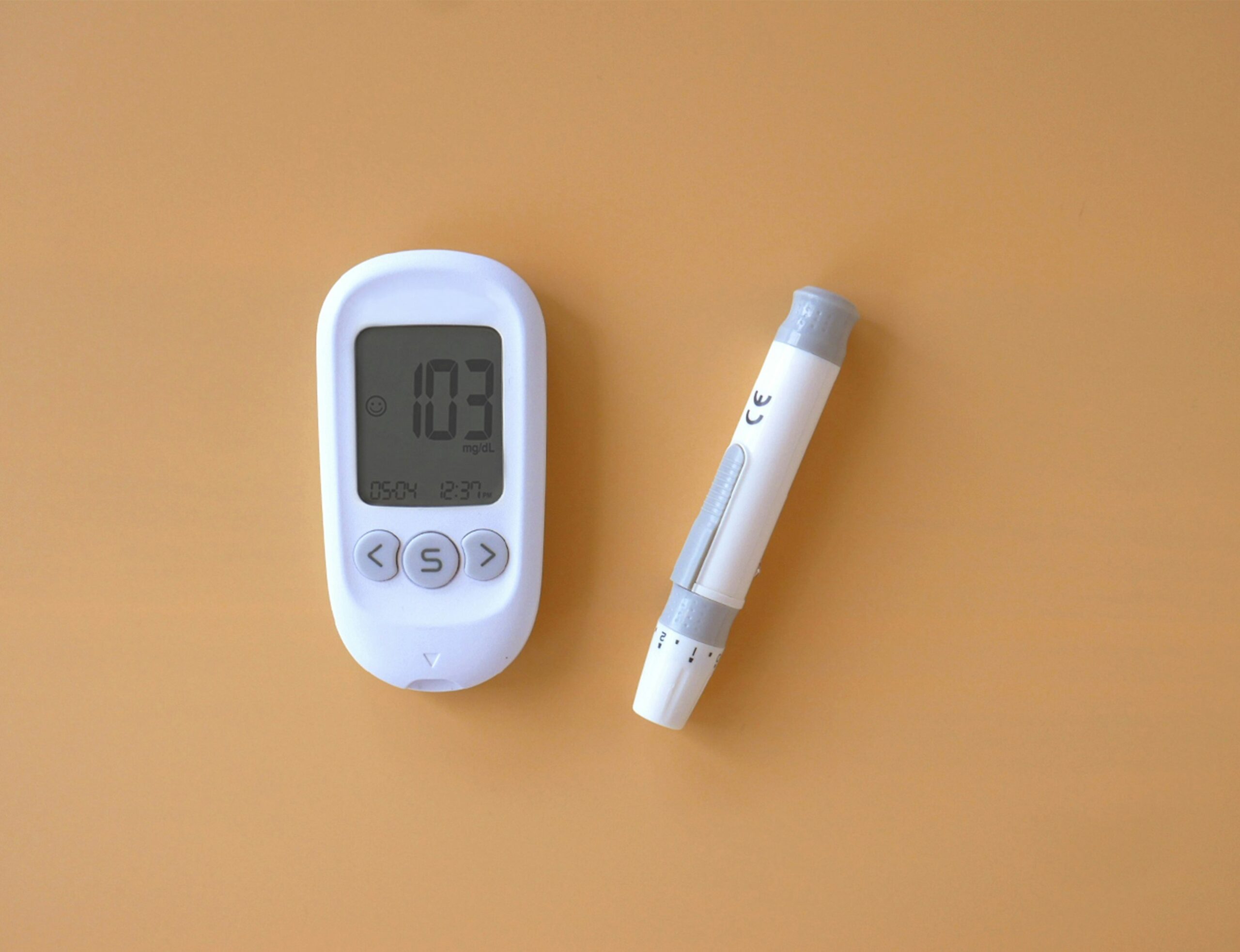
Understanding your blood glucose levels is a fundamental aspect of diabetes management. A blood glucose meter, often called a glucometer, serves as a crucial tool in this process. Selecting an appropriate blood glucose meter can significantly impact your ability to monitor your condition effectively and make informed treatment decisions. This article provides a comprehensive guide to choosing the right device, outlining key considerations and features.
Lifestyle and Activity Level
Your daily routine heavily influences the type of meter that will best suit you.
- Active Individuals: If you lead an active life, travel frequently, or engage in sports, a compact, durable, and easily portable meter might be a priority. Some meters are designed to withstand minor impacts or offer discreet testing.
- Home-Based Users: For individuals who primarily test at home, size and portability may be less critical. A meter with a larger display or more features might be preferred for comfort and comprehensive data review.
Visual Acuity and Manual Dexterity
Physical limitations can significantly impact the usability of a glucometer.
- Impaired Vision: Individuals with visual impairments should prioritize meters with large, backlit displays, clear numerical readouts, and auditory features such as spoken results. Some meters offer enhanced contrast or magnify text.
- Limited Dexterity: If you experience difficulty with fine motor skills, look for meters with larger buttons, easy-to-handle test strips, and simple loading mechanisms. Avoid meters with small, fiddly components.
Technological Proficiency
Your comfort level with technology will guide your choice of a smart or basic meter.
- Tech-Savvy Users: If you are comfortable with smartphones and applications, a smart meter with Bluetooth connectivity to a diabetes management app may be beneficial. These apps often provide trend analysis, reminder functions, and data sharing capabilities.
- Technology-Averse Users: For those who prefer a straightforward approach, a basic meter with simple operation and minimal features might be more suitable. Such meters prioritize ease of use over advanced data management.
Key Blood Glucose Meter Features to Consider
Blood glucose meters come equipped with a range of features, each contributing to their functionality and user experience. Understanding these features will help you narrow down your options.
Accuracy and Reliability
The primary function of a blood glucose meter is to provide accurate readings. This accuracy is paramount for effective diabetes management.
- ISO Standards: Reputable meters should meet or exceed the ISO 15197:2013 standard for accuracy. This standard specifies that 95% of readings must be within ±15% of a laboratory reference value for glucose concentrations ≥100 mg/dL, and within ±15 mg/dL for glucose concentrations <100 mg/dL.
- Clinical Studies: Look for meters that have undergone independent clinical validation and have their accuracy supported by published studies.
- Temperature and Humidity Effects: Be aware that extreme temperatures or humidity can affect meter accuracy. Some meters have wider operating temperature ranges than others.
Test Strip Considerations
Test strips are the consumable component of a blood glucose meter and represent a significant ongoing cost.
- Cost per Strip: The price of test strips varies considerably between brands and models. Over time, this cost can accumulate, so it is a crucial factor in your decision.
- Availability: Ensure that the test strips for your chosen meter are readily available at your local pharmacies or through online retailers.
- Coding Requirements: Some meters require manual coding or calibration with each new vial of strips, while others are “no-code” meters. No-code meters simplify the testing process and reduce the risk of errors.
- Sample Size: The amount of blood required for a test varies. Meters requiring a smaller blood sample are often preferred, as they can reduce the discomfort of finger pricking.
- Strip Ejection: Some meters offer an automatic strip ejection feature, which can be beneficial for individuals with dexterity issues or those who wish to avoid touching used strips.
Memory and Data Management
The ability to store and manage your blood glucose readings is important for tracking trends and sharing data with your healthcare provider.
- Memory Capacity: Most modern meters can store hundreds of readings, but the exact capacity varies. Consider how often you test and how long you wish to retain historical data on the device itself.
- Date and Time Stamping: Ensure the meter automatically stamps each reading with the date and time, providing context for your results.
- Averaging Functions: Many meters offer averaging functions for specific time periods (e.g., 7, 14, 30, or 90 days). These averages can provide a broad overview of your glucose control.
- Meal Markers: The ability to mark readings as before-meal (preprandial) or after-meal (postprandial) is invaluable for understanding how food impacts your blood glucose. Some meters also allow for exercise or medication markers.
- Software and App Integration: For those who prefer digital data management, look for meters that integrate with smartphone apps or computer software. These platforms can offer advanced trend analysis, graph generation, and secure data sharing with healthcare professionals.
Speed of Results
While not the most critical factor, the speed at which a meter provides results can contribute to convenience.
- Testing Time: Most meters provide results within 5 to 10 seconds. Faster meters can be beneficial for those who test frequently or are in time-sensitive situations.
Alternative Site Testing
Some meters allow for blood samples to be taken from sites other than the fingertip, such as the forearm, palm, or thigh.
- Advantages: Alternative site testing can sometimes be less painful than fingertip pricking.
- Limitations: Alternative site readings may not accurately reflect rapidly changing blood glucose levels. This is because physiological changes in blood glucose appear more slowly in capillaries of alternative sites compared to fingertips. Therefore, fingertip testing is generally recommended when blood glucose levels are changing rapidly, such as after meals, after exercise, or during hypoglycemia.
Special Features and Advanced Considerations

Beyond the core functionalities, several advanced features might appeal to specific users or provide additional benefits.
Connectivity and Smart Features
The integration of blood glucose meters with digital ecosystems has expanded their utility.
- Bluetooth Connectivity: Many contemporary meters offer Bluetooth connectivity, allowing them to wirelessly transmit data to a smartphone or tablet.
- Diabetes Management Apps: Companion apps often provide a more comprehensive view of your data, allowing for trend analysis, insulin dose tracking, medication reminders, and even integration with activity trackers or continuous glucose monitors (CGMs).
- Cloud Storage: Some systems offer cloud storage for your data, providing secure backup and accessibility across multiple devices.
- Telemedicine Capabilities: The ability to easily share data electronically with healthcare providers facilitates remote consultations and more informed treatment adjustments.
Lancing Devices
The lancing device is often overlooked but plays a significant role in the comfort of blood glucose testing.
- Adjustable Depth Settings: A good lancing device allows you to adjust the penetration depth of the lancet, enabling you to find the shallowest depth that still produces a sufficient blood sample. This minimizes pain.
- Lancet Gauge: Lancets come in various gauges; higher gauge numbers indicate thinner needles, which generally cause less discomfort.
- Design and Ergonomics: The design of the lancing device should be ergonomic and easy to operate, especially for individuals with dexterity challenges.
- Gentle Lancing Technology: Some lancing devices incorporate technology designed to minimize vibration and movement during the lancing process, further reducing pain.
Voice Guidance and Large Displays
These features cater to users with specific needs.
- Voice Guidance: For individuals with visual impairments, voice guidance can audibly walk them through the testing process and announce results.
- Large, Backlit Displays: A large, clear, and backlit display is beneficial for everyone, but particularly for those with low vision or when testing in dim lighting conditions.
Continuous Glucose Monitoring (CGM) Integration
While not a feature of the meter itself, some smart meters are designed to complement CGM systems.
- Calibration: Some CGM systems require occasional calibration with blood glucose meter readings. A meter that seamlessly integrates with your CGM can streamline this process.
- Data Synchronization: If you use both a CGM and a traditional meter, systems that allow for data synchronization can provide a more holistic view of your glucose patterns.
Blood Glucose Meter Cost Considerations

The financial aspect of choosing a blood glucose meter extends beyond the initial purchase price.
Initial Device Cost
- Range: The cost of the meter itself can range from relatively inexpensive to moderately priced, depending on its features and brand. Some manufacturers offer meters for free or at a very low cost as an incentive to purchase their test strips.
Ongoing Strip Cost
- Long-Term Expense: Test strips represent the most significant ongoing expense associated with blood glucose monitoring. Compare the cost of strips across different brands and models. A meter that is inexpensive upfront might become more costly over time due to expensive strips.
- Insurance Coverage: Check with your insurance provider regarding coverage for both the meter and test strips. Coverage levels can vary significantly.
Lancet Cost
- Minor Expense: Lancets are generally inexpensive, but their cost should still be factored into the overall budget, especially if you test frequently.
Making Your Decision
| Metric | Description | Typical Range / Value | Unit |
|---|---|---|---|
| Measurement Range | Range of blood glucose levels the meter can measure | 20 – 600 | mg/dL |
| Accuracy | Percentage of readings within ±15% of laboratory reference | 95% | % |
| Sample Size | Amount of blood required for a test | 0.3 – 1.0 | µL |
| Test Time | Time taken to display the glucose result | 5 – 10 | seconds |
| Memory Capacity | Number of test results the meter can store | 300 – 500 | readings |
| Operating Temperature | Temperature range in which the meter operates accurately | 10 – 40 | °C |
| Battery Life | Number of tests per battery set | 500 – 1000 | tests |
The process of selecting a blood glucose meter can be likened to finding the right key for a lock – it needs to fit your unique circumstances and unlock effective glucose management. Start by defining your “lock” – your specific needs, limitations, and preferences. Then, examine the “keys” – the various meters and their features – to find the one that offers the most precise and comfortable fit.
- Assess Your Needs: Begin by clearly defining your individual requirements regarding lifestyle, dexterity, vision, and technological comfort.
- Research Options: Explore different brands and models, paying close attention to the features discussed above.
- Read Reviews: Consult independent reviews from other users and medical professionals.
- Consider Test Strip Availability and Cost: This is often the most critical long-term financial consideration.
- Consult Your Healthcare Provider: Your doctor, diabetes educator, or pharmacist can provide personalized recommendations based on your medical history and treatment plan. They may also be able to provide samples or demonstrations of various meters.
- Try Before You Buy (If Possible): Some clinics or pharmacies may offer demonstration models, allowing you to handle the meter, insert strips, and experience the lancing device before making a purchase.
- Ease of Use: Ultimately, the best meter is one that you will consistently use correctly. If a meter is too complex or uncomfortable, its benefits will be diminished.
Choosing the right blood glucose meter is an investment in your health. By carefully considering your individual needs and the various features available, you can select a device that empowers you to effectively manage your diabetes and maintain a higher quality of life. If you need to buy testing items locally, check our list of [essential medical supplies] available at local stores. Additionally, you can consult our master [medical supplies checklist] to track all your home care gear. For official medical benchmarks, you can also review the certified testing standards on the [ISO Standards Portal].
No Comments