

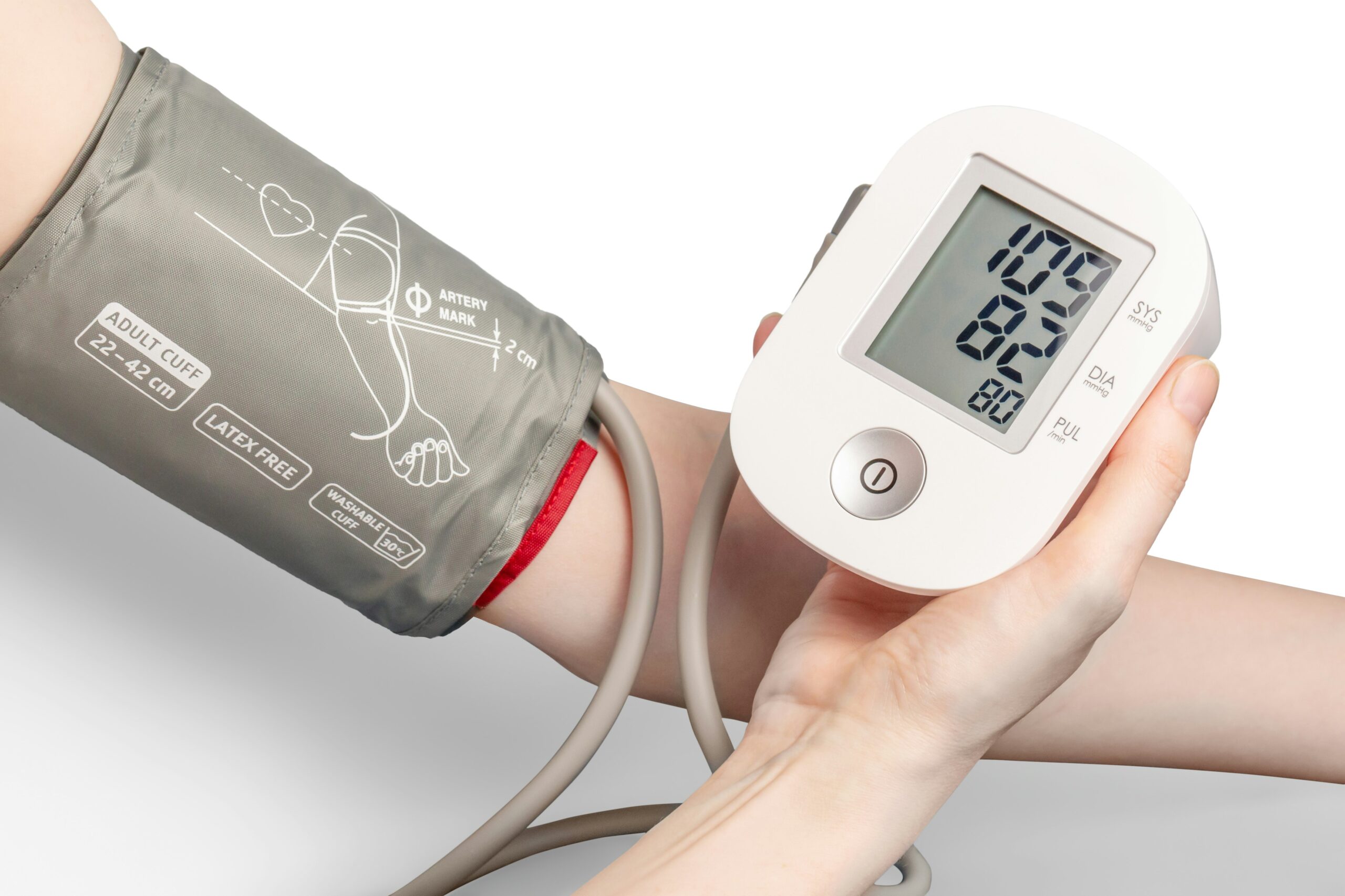
Medical equipment forms the bedrock of modern healthcare, acting as the extended senses and precision tools of medical professionals. Its evolution, a continuous journey from rudimentary implements to sophisticated machines, directly correlates with humanity’s increasing understanding of the body and disease. This article explores key advancements in medical equipment, demonstrating how these innovations contribute to improved patient care. Consider medical equipment as the gears in a complex clockwork mechanism; each gear, irrespective of its size, is crucial for the clock to function accurately and consistently deliver time.
Imaging technologies have revolutionized diagnosis, allowing clinicians to peer into the body without invasive surgery. These advancements have transformed the diagnostic landscape, offering unprecedented detail and insight.
Magnetic Resonance Imaging (MRI)
MRI utilizes powerful magnetic fields and radio waves to generate detailed images of organs, soft tissues, bone, and virtually all other internal body structures. Unlike X-rays or CT scans, MRI does not use ionizing radiation, making it a safer option for repeated examinations, particularly in sensitive populations like pregnant women or children. Early MRI machines were bulky, slow, and constrained by patient discomfort.
- Faster Scan Times: Modern MRI scanners feature stronger magnetic fields (e.g., 3T and 7T MRI) and advanced pulse sequences, drastically reducing scan times. This minimizes patient movement artifacts and improves throughput.
- Enhanced Resolution and Specificity: Improved coil technology and signal processing allow for finer anatomical detail, aiding in the detection of subtle abnormalities like small tumors, early stages of neurological disorders, and intricate vascular structures. Functional MRI (fMRI) further expands its utility by mapping brain activity.
- Open MRI and Patient Comfort: To address claustrophobia and accommodate larger patients, open MRI designs have emerged, providing a less enclosed experience. Wider bores and improved noise reduction techniques also contribute to a more comfortable patient experience.
Computed Tomography (CT) Scans
CT scans utilize X-rays and computer processing to create cross-sectional images of the body. While using ionizing radiation, their speed and ability to image bone, soft tissue, and blood vessels simultaneously make them invaluable in acute care and trauma.
- Multi-detector CT (MDCT): The evolution from single-slice to multi-detector CT scanners has been a game-changer. MDCT allows for rapid acquisition of multiple slices simultaneously, enabling volumetric imaging of entire organs in a single breath-hold. This is critical in emergency medicine, where time is of the essence.
- Lower Radiation Doses: Iterative reconstruction algorithms and dose modulation techniques have significantly reduced the effective radiation dose delivered to patients, addressing concerns about cumulative exposure while maintaining diagnostic image quality.
- CT Angiography and Perfusion: Advanced CT techniques like CT angiography (CTA) can visualize blood vessels with high resolution, aiding in the diagnosis of aneurysms, blockages, and other vascular pathologies. CT perfusion studies assess blood flow to organs, crucial for stroke management.
Ultrasound Technology
Ultrasound uses high-frequency sound waves to create real-time images of internal structures. Its non-invasive nature, lack of radiation, and portability make it a versatile tool across numerous medical specialties.
- 3D/4D Ultrasound: Advancements in transducer technology and computational power have enabled 3D and even 4D (real-time 3D) imaging. This offers a more comprehensive view of complex anatomical structures, particularly valuable in obstetrics for fetal anomaly detection and in cardiology for evaluating heart function.
- Elastography: This technique measures the stiffness of tissues, aiding in the diagnosis of liver fibrosis, breast lesions, and prostate cancer. It provides a non-invasive alternative to biopsy in some cases.
- Miniaturization and Point-of-Care Ultrasound (POCUS): The development of smaller, more portable ultrasound devices, some even connecting to smartphones, has ushered in an era of POCUS. Clinicians can now perform rapid bedside evaluations, guiding procedures, and making quicker diagnostic decisions, especially in emergency departments and remote settings.
Minimally Invasive Surgical Tools: Precision with Less Intrusion
Minimally invasive surgery (MIS) represents a paradigm shift from traditional open surgery, offering smaller incisions, reduced pain, faster recovery times, and decreased risk of complications. The instruments enabling MIS are sophisticated extensions of the surgeon’s hands and eyes.
Endoscopic and Laparoscopic Instruments
These instruments allow surgeons to access internal organs through small keyhole incisions or natural orifices, guided by a specialized camera.
- High-Definition Imaging and Magnification: Modern endoscope and laparoscope cameras provide high-definition (HD) or even ultra-high-definition (UHD) images, offering surgeons a magnified, crystal-clear view of the operating field. This enhanced visualization improves precision and reduces the risk of iatrogenic injury.
- Articulating and Robotic Instruments: The development of articulating instruments with multiple degrees of freedom mimics the dexterity of a human wrist, allowing surgeons to maneuver in tight spaces. Robotic surgical systems, such as the da Vinci Surgical System, further enhance precision, tremor reduction, and ergonomic positioning for surgeons, translating to improved outcomes for complex procedures.
- Energy Devices: Advanced energy devices (e.g., ultrasonic energy, radiofrequency ablation) allow for precise cutting, coagulation, and sealing of tissues and blood vessels, minimizing blood loss and operating time.
Catheter-Based Interventions
Catheters, thin tubes inserted into vessels or organs, have enabled diagnostic and therapeutic procedures to be performed with minimal incision.
- Drug-Eluting Stents: In interventional cardiology, drug-eluting stents have significantly reduced restenosis rates by releasing medication that inhibits cell proliferation within the stented vessel. This has improved long-term outcomes for patients with coronary artery disease.
- Transcatheter Aortic Valve Replacement (TAVR): TAVR allows for the replacement of a diseased aortic valve via a catheter, avoiding open-heart surgery. This has become a life-saving option for elderly patients or those deemed high-risk for traditional surgery.
- Neurovascular Embolization: Catheter-based techniques are used to treat brain aneurysms and arteriovenous malformations by introducing coiling materials or embolic agents to block abnormal blood flow.
Monitoring Systems: The Constant Watch

Continuous patient monitoring provides clinicians with vital information, acting as an early warning system for physiological changes and guiding therapeutic interventions. Imagine monitoring systems as a vigilant sentinel, always observing and alerting.
Advanced Physiological Monitors
Modern patient monitors go far beyond basic heart rate and blood pressure, offering a comprehensive view of a patient’s vital signs and physiological status.
- Multi-parameter Monitors: These integrate data from various sensors to display heart rate, ECG, blood pressure (invasive and non-invasive), oxygen saturation (SpO2), respiratory rate, and temperature on a single screen. Advanced versions include cardiac output, intracranial pressure, and capnography.
- Wireless and Wearable Monitors: The shift towards wireless and wearable monitors allows for continuous monitoring outside critical care settings, such as general wards, homes, and during rehabilitation. These devices can track activity levels, sleep patterns, and vital signs, providing valuable data for long-term health management and early detection of deterioration.
- Remote Monitoring and Telemedicine Integration: Data from advanced physiological monitors can now be transmitted wirelessly to central stations or integrated into electronic health records, enabling remote monitoring by medical staff. This facilitates telemedicine consultations and allows specialists to monitor patients from a distance, particularly beneficial in rural areas or during pandemics.
Continuous Glucose Monitoring (CGM)
For individuals with diabetes, CGM devices offer real-time glucose readings, transforming diabetes management.
- Real-time Data and Trend Analysis: Unlike traditional finger-prick tests that provide a single snapshot, CGM continuously measures glucose levels in interstitial fluid, displaying trends and providing alerts for high or low glucose. This allows patients and clinicians to make proactive adjustments to insulin dosage and diet.
- Improved Glycemic Control: Studies have shown that CGM leads to improved glycemic control (lower HbA1c), reduced hypoglycemic events, and a better understanding of how diet and activity affect blood sugar.
- Integration with Insulin Pumps: Many CGM systems can communicate directly with insulin pumps, forming a “closed-loop” or artificial pancreas system that automatically adjusts insulin delivery based on real-time glucose readings.
Therapeutic Devices: Direct Intervention and Support

Therapeutic devices are designed to treat conditions, restore function, or support failing organs, playing a direct role in patient recovery and quality of life.
Advanced Medical Robotics
Robotics extend beyond surgical applications, offering assistance in rehabilitation and drug delivery.
- Rehabilitation Robotics: Robotic exoskeletons and assistive devices are used to aid patients with neurological injuries (e.g., stroke, spinal cord injury) in regaining motor function, improving gait, and performing activities of daily living. These devices offer repetitive, high-intensity training that would be difficult to achieve manually.
- Targeted Drug Delivery Systems: While still largely in the research phase, robots are being explored for ultra-precise drug delivery at the cellular level, potentially improving the efficacy of cancer treatments and reducing systemic side effects.
Dialysis Machines
For patients with end-stage renal disease, dialysis machines perform the vital function of filtering waste products from the blood.
- Improved Efficiency and Portability: Modern dialysis machines are more efficient, with improved membranes and fluid management systems. Home dialysis machines have become smaller and easier to use, offering patients greater flexibility and control over their treatment regimen.
- Continuous Renal Replacement Therapy (CRRT): In critical care settings, CRRT machines provide continuous, slow filtration for patients with acute kidney injury, better tolerating fluid and electrolyte shifts than intermittent hemodialysis.
Ventilators and Respiratory Support Systems
Ventilators are indispensable in supporting patients who cannot breathe adequately on their own, a role starkly highlighted during global health crises.
- Smart Ventilators: Modern ventilators incorporate advanced modes that can adapt to a patient’s breathing patterns, optimize oxygen delivery, and facilitate weaning from mechanical ventilation. They provide detailed data on lung mechanics and gas exchange.
- Non-Invasive Ventilation (NIV): Techniques like CPAP (Continuous Positive Airway Pressure) and BiPAP (Bilevel Positive Airway Pressure) deliver respiratory support without the need for an endotracheal tube, reducing the risks associated with invasive ventilation and broadening the spectrum of patients who can benefit from respiratory assistance.
- High-Flow Nasal Cannula (HFNC): HFNC delivers heated and humidified oxygen at high flow rates, providing respiratory support and improving oxygenation in patients with mild to moderate respiratory distress, often preventing the need for intubation.
Digital Health and Interconnectivity: The Intelligent Ecosystem
| Equipment | Usage | Average Lifespan (Years) | Maintenance Frequency | Accuracy |
|---|---|---|---|---|
| ECG Machine | Heart activity monitoring | 7-10 | Annual | High |
| Ultrasound Scanner | Imaging internal organs | 8-12 | Bi-annual | High |
| Infusion Pump | Controlled drug delivery | 5-7 | Quarterly | Very High |
| Defibrillator | Restoring heart rhythm | 7-10 | Annual | High |
| Ventilator | Assisted breathing | 8-10 | Monthly | Very High |
The integration of medical equipment into digital health ecosystems is transforming how patient data is managed, analyzed, and utilized, creating a more cohesive and intelligent healthcare environment. Consider this as weaving together disparate threads into a strong, unified fabric.
Electronic Health Records (EHR) Integration
The seamless flow of data from medical equipment into EHRs is fundamental to modern patient care.
- Automated Data Capture: Vital signs, laboratory results, imaging reports, and even continuous monitoring data can be automatically uploaded to a patient’s EHR, reducing manual transcription errors and ensuring that all relevant information is accessible to the care team.
- Clinical Decision Support: Integrated EHRs with advanced analytics can provide clinical decision support, alerting clinicians to potential drug interactions, abnormal lab values, or shifts in patient condition, improving safety and care quality.
- Interoperability: While still an ongoing challenge, efforts to enhance the interoperability of various medical devices and EHR systems are crucial for creating a truly connected healthcare ecosystem, allowing data to be exchanged seamlessly across different platforms and institutions.
Artificial Intelligence (AI) and Machine Learning (ML) in Diagnostics
AI and ML are beginning to act as powerful adjuncts to human expertise, particularly in image analysis and risk prediction.
- Image Analysis and Pattern Recognition: AI algorithms can analyze medical images (X-rays, CTs, MRIs, pathology slides) significantly faster and, in some cases, with greater accuracy than the human eye, detecting subtle anomalies that might be missed. This aids in early disease detection, such as identifying cancerous lesions or signs of retinopathy.
- Predictive Analytics: ML models can analyze vast datasets of patient information to predict the risk of disease progression, readmission, or adverse events. This allows for proactive interventions and personalized treatment plans, optimizing resource allocation and improving patient outcomes.
- Drug Discovery and Development: AI is also being employed in accelerating drug discovery by identifying potential drug candidates and predicting their efficacy and safety profiles, which could lead to novel therapies for currently untreatable diseases.
Cybersecurity in Medical Devices
As medical equipment becomes more connected, the importance of robust cybersecurity measures for patient safety and data integrity cannot be overstated.
- Protection of Patient Data: Connected devices transmit sensitive patient health information, requiring stringent encryption and access controls to prevent unauthorized access and breaches, safeguarding patient privacy.
- Device Integrity: Cybersecurity is crucial to protecting medical devices from malicious attacks that could disrupt their function, alter diagnostic readings, or compromise therapeutic interventions, leading to potential harm to patients.
- Regulatory Frameworks: Governments and regulatory bodies are developing updated guidelines and standards to ensure that medical device manufacturers incorporate cybersecurity by design, addressing vulnerabilities throughout the product lifecycle.
Conclusion
The landscape of medical equipment is a testament to human ingenuity and the relentless pursuit of better health. From the real-time insights offered by advanced imaging to the precision of robotic surgery and the vigilance of continuous monitoring, these tools are not merely machines; they are enablers of improved diagnosis, more effective treatments, and ultimately, enhanced patient care. As we look ahead, the continued convergence of engineering, computer science, and medicine promises further breakthroughs, moving us towards a future where healthcare is increasingly precise, personalized, and proactive. The journey is ongoing, and each advancement brings us closer to a healthier world.
No Comments