

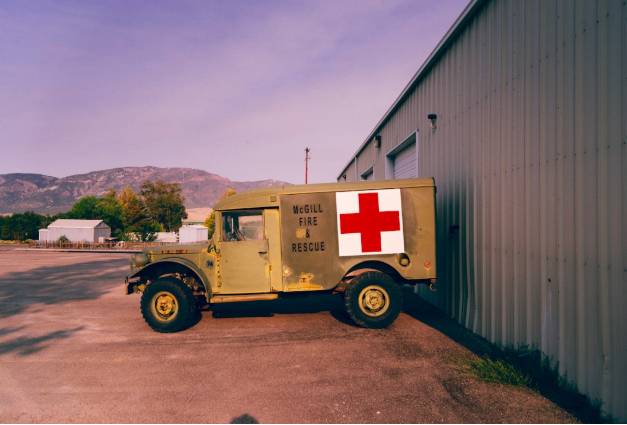
Timely delivery in healthcare represents a critical operational requirement that directly impacts patient safety and treatment outcomes. Healthcare systems function within strict temporal parameters where delivery delays can result in adverse patient events or treatment failures. Essential medical supplies including blood products, surgical instruments, and emergency medications must arrive within designated timeframes to maintain continuity of care.
For example, delayed blood product delivery during surgical procedures can lead to increased morbidity and mortality rates. Consequently, punctual delivery systems are fundamental to healthcare service effectiveness and patient safety protocols. Additionally, reliable delivery schedules improve healthcare system operational efficiency.
When medical equipment and supplies arrive as scheduled, healthcare facilities can implement more effective resource planning, resulting in streamlined workflows and reduced patient wait times. This operational efficiency becomes particularly significant in emergency medical situations where time-sensitive interventions are required. In trauma care scenarios, immediate access to critical equipment such as defibrillators or mechanical ventilators directly correlates with improved patient survival rates.
Therefore, consistent and timely delivery of medical supplies is essential for both immediate patient care delivery and long-term healthcare facility operational viability.
Key Takeaways
- Timely delivery of medical equipment is critical for patient care and treatment outcomes.
- Challenges include logistical complexities, regulatory requirements, and handling sensitive equipment.
- Streamlining delivery involves optimizing routes, scheduling, and coordination among stakeholders.
- Technology such as tracking systems enhances monitoring and ensures transparency in delivery status.
- Collaboration with suppliers, logistics partners, and ongoing training improves delivery efficiency and quality control.
Challenges in Delivering Vital Medical Equipment
The delivery of vital medical equipment faces numerous challenges that can hinder timely access to essential supplies. One significant issue is the complexity of the supply chain involved in medical logistics. Medical equipment often requires specialized handling and transportation due to its sensitive nature, which can include temperature control for certain pharmaceuticals or protection from physical damage for delicate instruments.
This complexity can lead to delays if any part of the supply chain encounters disruptions, such as transportation strikes, natural disasters, or even regulatory changes that affect import/export processes. Another challenge is the increasing demand for medical supplies, particularly highlighted during global health crises like the COVID-19 pandemic. The surge in demand can overwhelm existing logistics systems, leading to backlogs and delays.
For instance, during the pandemic, hospitals faced shortages of personal protective equipment (PPE) and ventilators as manufacturers struggled to keep up with unprecedented demand. This situation underscored the fragility of supply chains in the medical field and highlighted the need for robust systems that can adapt to sudden changes in demand without compromising delivery timelines.
Strategies for Streamlining Delivery Processes
To address the challenges associated with timely delivery in the medical field, healthcare organizations must adopt strategies that streamline their delivery processes. One effective approach is to implement just-in-time (JIT) inventory management systems. JIT allows healthcare providers to receive supplies only as they are needed, reducing excess inventory and minimizing storage costs.
By closely monitoring usage patterns and collaborating with suppliers, hospitals can ensure that they have the right amount of equipment on hand without overstocking, which can lead to waste and inefficiencies. Additionally, establishing clear communication channels among all stakeholders in the supply chain is crucial for streamlining delivery processes. Regular updates regarding inventory levels, expected delivery times, and potential disruptions can help healthcare providers make informed decisions about patient care.
For example, if a supplier anticipates a delay in delivering critical equipment, healthcare facilities can proactively adjust their schedules or seek alternative sources to mitigate the impact on patient care.

This proactive approach fosters a culture of collaboration and responsiveness that is essential for maintaining timely delivery.
Utilizing Technology for Efficient Tracking and Monitoring
The integration of technology into medical logistics has revolutionized how healthcare organizations track and monitor their supplies.
Advanced tracking systems utilizing barcodes or RFID (Radio Frequency Identification) technology enable real-time visibility into inventory levels and shipment statuses.
This capability allows healthcare providers to know precisely where their supplies are at any given moment, reducing uncertainty and enhancing planning efforts.
Moreover, data analytics plays a pivotal role in optimizing delivery processes. By analyzing historical data on usage patterns and delivery times, healthcare organizations can identify trends and make data-driven decisions to improve efficiency. For instance, predictive analytics can forecast demand for specific medical supplies based on seasonal trends or emerging health crises, allowing organizations to prepare adequately and avoid shortages.
The use of technology not only enhances tracking but also empowers healthcare providers to make informed decisions that ultimately lead to improved patient outcomes.
Collaborating with Suppliers and Logistics Partners
Collaboration with suppliers and logistics partners is essential for ensuring timely delivery of medical equipment. Establishing strong relationships with these stakeholders fosters a sense of partnership that can lead to improved communication and responsiveness during critical situations. For example, by working closely with suppliers, healthcare organizations can gain insights into production schedules and potential delays, allowing them to adjust their procurement strategies accordingly.
Furthermore, engaging logistics partners who specialize in medical deliveries can enhance efficiency significantly. These partners often have established networks and expertise in navigating the complexities of medical logistics, including compliance with regulatory requirements and handling sensitive materials. By leveraging their knowledge and resources, healthcare organizations can streamline their delivery processes and ensure that vital equipment reaches its destination on time.
Training and Education for Effective Handling and Delivery
Training and education are fundamental components of effective handling and delivery in the medical field. Healthcare staff must be well-versed in best practices for managing medical supplies to minimize errors and ensure timely access to essential equipment. Regular training sessions on inventory management, proper handling techniques, and emergency protocols can empower staff to respond effectively in high-pressure situations.
Moreover, fostering a culture of continuous learning within healthcare organizations encourages staff to stay updated on industry trends and advancements in logistics practices. For instance, workshops on new technologies or methodologies related to supply chain management can equip staff with the skills needed to adapt to evolving challenges in medical logistics. By investing in training and education, healthcare organizations not only enhance their operational efficiency but also contribute to improved patient care outcomes.

Implementing Quality Control Measures
Quality control measures are critical in ensuring that medical equipment is delivered safely and effectively. Implementing rigorous quality assurance protocols throughout the supply chain helps identify potential issues before they escalate into significant problems. For example, conducting regular audits of suppliers’ facilities can ensure compliance with industry standards and regulations regarding manufacturing practices.
Additionally, establishing clear criteria for evaluating the quality of delivered supplies is essential. Healthcare organizations should develop standardized checklists for inspecting incoming shipments to verify that items meet required specifications before they are distributed for use. This proactive approach minimizes the risk of using defective or substandard equipment that could compromise patient safety.
Ensuring Continual Improvement in Delivery Processes
To maintain a high standard of timely delivery in the medical field, organizations must commit to continual improvement in their delivery processes. This commitment involves regularly assessing current practices and identifying areas for enhancement based on feedback from staff and stakeholders. For instance, conducting post-delivery reviews can provide valuable insights into what worked well and what could be improved in future deliveries.
Moreover, embracing a culture of innovation encourages healthcare organizations to explore new methodologies and technologies that can enhance their logistics operations. Engaging with industry experts or participating in professional networks can expose organizations to best practices from other sectors that may be applicable to medical logistics. By fostering an environment that values continuous improvement, healthcare organizations can adapt more effectively to changing demands while ensuring that timely delivery remains a top priority in patient care.
FAQs
What types of medical equipment are commonly delivered?
Medical equipment deliveries typically include items such as wheelchairs, hospital beds, oxygen tanks, diagnostic devices, surgical instruments, and personal protective equipment (PPE).
Who is responsible for the delivery of medical equipment?
Delivery is usually handled by specialized medical supply companies, logistics providers, or healthcare facilities themselves, ensuring proper handling and timely arrival.
How is medical equipment packaged for delivery?
Medical equipment is packaged using protective materials like foam, bubble wrap, and sturdy boxes to prevent damage during transit. Some items may require temperature-controlled packaging.
Are there special regulations for delivering medical equipment?
Yes, medical equipment delivery must comply with health and safety regulations, including proper labeling, handling of hazardous materials, and adherence to transportation laws.
How long does it typically take to deliver medical equipment?
Delivery times vary depending on the equipment type, supplier location, and shipping method, ranging from same-day delivery for local orders to several days or weeks for specialized or international shipments.
Can medical equipment be delivered directly to patients’ homes?
Yes, many suppliers offer home delivery services for medical equipment, especially for items like mobility aids and home care devices.
What should be done upon receiving medical equipment delivery?
Recipients should inspect the equipment for damage, verify the order against the delivery note, and ensure all necessary accessories and documentation are included.
Is installation or setup included with medical equipment delivery?
Some suppliers provide installation and setup services, particularly for complex or large equipment, while others may require separate arrangements.
How is the delivery of sensitive or sterile medical equipment handled?
Sensitive or sterile equipment is delivered using specialized packaging and handling procedures to maintain sterility and prevent contamination.
What happens if medical equipment is damaged during delivery?
If damage occurs, recipients should report it immediately to the supplier or delivery service to arrange for replacement, repair, or return according to the supplier’s policy.
Don’t miss checking our list of medical supplies on FlashMed.
No Comments