

Healthcare facilities, from small clinics to large hospitals, rely on a robust inventory of medical equipment and supplies to deliver patient care. These items form the backbone of diagnosis, treatment, and ongoing management of health conditions. Without the right tools, even the most skilled medical professionals are like chefs without their knives – limited in their ability to perform their essential functions. This article outlines the fundamental categories of medical equipment and supplies crucial for effective healthcare operations.
Diagnostic equipment allows healthcare providers to identify diseases, injuries, and other medical conditions. It’s the physician’s detective kit, enabling them to gather clues and piece together the patient’s health puzzle. Accuracy and reliability are paramount, as misdiagnosis can have serious consequences.
Imaging Modalities
These technologies provide visual representations of internal body structures.
X-ray Machines
X-ray machines use electromagnetic radiation to create images of bones and certain soft tissues. They are foundational for detecting fractures, pneumonia, and other conditions. Portable X-ray units are valuable in emergency settings and for patients unable to be transported to a dedicated imaging suite.
Ultrasound Devices
Ultrasound, or sonography, utilizes high-frequency sound waves to produce images. It is non-invasive and is frequently used in obstetrics for prenatal scans, cardiology to assess heart function, and abdominal imaging to examine organs like the liver, kidneys, and gallbladder. Doppler ultrasound specifically assesses blood flow.
Computed Tomography (CT) Scanners
CT scanners combine X-ray technology with computer processing to create detailed cross-sectional images of the body. They offer far more detail than conventional X-rays and are critical for diagnosing internal injuries, tumors, and vascular diseases.
Magnetic Resonance Imaging (MRI) Machines
MRI uses powerful magnetic fields and radio waves to generate highly detailed images of soft tissues, organs, and bone marrow. It is particularly effective for examining the brain, spinal cord, muscles, and ligaments, and does not involve ionizing radiation.
Electrocardiogram (ECG/EKG) Machines
ECG machines record the electrical activity of the heart. They are essential for diagnosing arrhythmias, heart attacks, and other cardiac abnormalities. Portable ECG devices allow for continuous monitoring or in-home assessments.
Laboratory Equipment
Laboratory equipment facilitates the analysis of biological samples, providing crucial data for diagnosis and treatment monitoring.
Microscopes
Microscopes are used to visualize cells, bacteria, and other microscopic structures in blood, urine, tissue samples, and other specimens. Different types, such as compound, stereo, and digital microscopes, serve various analytical needs.
Centrifuges
Centrifuges are used to separate components of a liquid mixture based on density by spinning samples at high speeds. This is vital for separating blood into its constituent parts (serum, plasma, red blood cells) for various tests.
Incubators
Incubators provide a controlled environment for the growth of microorganisms, such as bacteria and cell cultures, in laboratory settings. They are crucial for diagnostic microbiology and research.
Analyzers (Hematology, Chemistry, Urinalysis)
Automated analyzers perform complex tests on blood, urine, and other bodily fluids rapidly and efficiently. Hematology analyzers count and classify blood cells, while chemistry analyzers measure various biochemical substances. Urinalysis analyzers screen for a range of conditions.
Monitoring Devices
These devices continuously or intermittently track vital signs and other physiological parameters.
Vital Signs Monitors
These units typically measure blood pressure, heart rate, respiratory rate, and temperature. They are indispensable in critical care settings, operating rooms, and general patient wards.
Pulse Oximeters
Pulse oximeters non-invasively measure oxygen saturation in the blood and pulse rate. They are vital for assessing respiratory function and are used in almost all healthcare settings, from operating rooms to home care.
Continuous Glucose Monitors (CGM)
CGMs track blood glucose levels in real-time, providing valuable data for individuals with diabetes and their healthcare providers. They help in managing blood sugar fluctuations and preventing complications.
Therapeutic Equipment
Therapeutic equipment is used to treat diseases, alleviate symptoms, and improve patient outcomes. These are the tools that actively intervene to restore health.
Respiratory Support Devices
These devices assist patients with breathing difficulties.
Ventilators
Ventilators are mechanical devices that assist or replace spontaneous breathing. They are critical for patients with severe respiratory failure, undergoing surgery, or in intensive care. Different types exist, from invasive to non-invasive.
Nebulizers
Nebulizers convert liquid medication into a fine mist that can be inhaled directly into the lungs. They are commonly used to deliver bronchodilators and other respiratory medications to treat asthma, COPD, and other lung conditions.
Oxygen Concentrators and Cylinders
Oxygen concentrators extract oxygen from ambient air, while cylinders store compressed oxygen. Both are essential for providing supplemental oxygen to patients with hypoxemia.
Surgical Equipment
Surgical equipment encompasses a vast array of instruments and devices used during operative procedures.
Surgical Instruments
This includes scalpels, forceps, retractors, clamps, scissors, and countless specialized instruments designed for specific anatomical regions and surgical approaches. Their precision is paramount.
Anesthesia Machines
Anesthesia machines deliver anesthetic gases and monitor a patient’s vital signs during surgery. They are integral to safe procedural sedation and general anesthesia.
Electrosurgical Units (ESUs)
ESUs use electrical current to cut tissue and coagulate blood vessels during surgery, minimizing bleeding.
Surgical Lighting and Tables
Specialized overhead lights provide shadowless illumination for surgical fields, while adjustable surgical tables ensure optimal patient positioning for the procedure.
Rehabilitation Equipment
Rehabilitation equipment aids patients in recovering physical function after injury, illness, or surgery.
Physical Therapy Equipment
This includes exercise machines (treadmills, stationary bikes), resistance bands, weights, parallel bars, and balance boards, all designed to improve strength, mobility, and coordination.
Occupational Therapy Equipment
Tools for occupational therapy may include adaptive devices, dressing aids, fine motor skill trainers, and splints to help patients regain independence in daily living activities.
Infusion and Injection Devices
These devices deliver fluids and medications into the body.
Infusion Pumps
Infusion pumps deliver fluids, medications, and nutrients at controlled rates. They range from simple volumetric pumps to complex syringe pumps and are crucial for accurate medication delivery in hospital settings.
Syringe Pumps
Syringe pumps are a type of infusion pump that uses a motor to precisely push the plunger of a syringe, allowing for very slow and accurate administration of small volumes of medication.
Syringes and Needles
These fundamental supplies are used for drawing up and administering medications, vaccines, and other substances, as well as for collecting biological samples.
Patient Care and Monitoring Supplies

These are the consumables and devices directly used in patient care, from basic hygiene to monitoring vital signs. They are the everyday workhorses of the healthcare facility.
Basic Medical Supplies
These are the fundamental consumables used in virtually every clinical encounter.
Gloves
Disposable gloves, made from latex, nitrile, or vinyl, are essential for preventing the transmission of infections between patients and healthcare workers.
Masks and Gowns
Surgical masks and isolation gowns are used to protect healthcare workers and patients from airborne and droplet transmission of pathogens.
Bandages and Dressings
A wide variety of sterile bandages, gauze pads, and wound dressings are used to protect and treat wounds, burns, and other skin injuries.
Syringes and Needles
These are fundamental for administering medications, drawing blood, and other procedures.
Cotton Swabs and Alcohol Wipes
Used for cleaning skin before injections or procedures, and for general hygiene.
Consumables for Procedures
These supplies are specific to particular medical interventions.
Catheters
Catheters are flexible tubes inserted into body cavities or vessels, such as urinary catheters for bladder drainage or intravenous (IV) catheters for fluid and medication delivery.
Surgical Drapes
Sterile drapes are used to create a sterile field around the surgical site, preventing contamination.
Suture Materials
Various types of sutures (absorbable and non-absorbable) and needles are used to close surgical incisions or wounds.
Dressings and Wound Care Products
This category includes specialized dressings for different types of wounds, such as hydrocolloid dressings, foam dressings, and alginates, along with antiseptic solutions and ointments.
Diagnostic Test Kits
These kits enable point-of-care testing and rapid screening.
Blood Glucose Test Strips
Used with glucose meters to measure blood sugar levels.
Pregnancy Test Kits
Rapid tests to detect pregnancy by analyzing urine or blood.
COVID-19 Test Kits
Rapid antigen and PCR test kits for the detection of SARS-CoV-2.
Rapid Diagnostic Tests (RDTs) for Infectious Diseases
Various RDTs are available for quick detection of diseases like malaria, influenza, and strep throat.
Linens and Personal Protective Equipment (PPE)
Beyond gloves and masks, other essential items contribute to patient comfort and infection control.
Patient Gowns
Comfortable and functional gowns for patients.
Bedding
Sheets, blankets, and pillows designed for healthcare settings.
Sterilization Wraps
Used to maintain sterility of surgical instruments and supplies during autoclaving.
Face Shields
Provide an additional layer of protection against splashes and droplets.
Communication and Documentation Equipment

Effective communication and accurate documentation are the nervous system and the memory of a healthcare facility. They ensure that information flows smoothly and that patient histories are meticulously maintained.
Communication Systems
These systems facilitate the rapid and reliable exchange of information.
Nurse Call Systems
These systems allow patients to signal for assistance from nurses and other staff. They are a critical component of patient safety and responsiveness.
Intercom Systems
Used for quick communication between departments and staff members within the facility.
Telephones and Internet Access
Essential for internal and external communication, as well as accessing online medical resources and patient portals.
Documentation Tools
These tools are fundamental for recording patient information and managing medical records.
Computers and Tablets
Modern healthcare relies heavily on digital records. Computers and tablets are used for entering patient data, accessing electronic health records (EHRs), and utilizing clinical decision support systems.
Printers and Scanners
Used for printing reports, forms, and scanning documents into EHR systems.
Medical Chart Stands and Clipboards
Provide essential surfaces for organized manual record-keeping when electronic systems may not be immediately accessible or for specific tasks.
Specialized Communication Devices
Certain situations require specific communication aids.
Pagers
Though becoming less common, pagers are still used in some large facilities for discreet, immediate notification.
Telemedicine Platforms
Software and hardware that enable remote consultations between healthcare providers and patients, expanding access to care.
Specialized Medical Equipment
| Category | Common Items | Usage Frequency | Typical Lifespan | Maintenance Required |
|---|---|---|---|---|
| Diagnostic Equipment | Stethoscopes, Blood Pressure Monitors, Thermometers | Daily | 3-5 years | Regular calibration and cleaning |
| Imaging Equipment | X-ray Machines, MRI Scanners, Ultrasound Devices | Weekly to Monthly | 7-10 years | Professional servicing and software updates |
| Surgical Instruments | Scalpels, Forceps, Scissors | Per Procedure | 1-3 years (depending on use) | Sterilization and sharpening |
| Patient Care Supplies | Bandages, Gloves, Syringes | Daily | Single-use or short-term | Proper disposal and restocking |
| Life Support Equipment | Ventilators, Defibrillators, Infusion Pumps | As needed | 5-7 years | Routine checks and battery replacement |
Beyond the general categories, certain healthcare facilities require highly specialized equipment tailored to their specific patient populations and services. This equipment represents the cutting edge of medical technology and precision.
Cardiology Equipment
For the diagnosis and treatment of heart conditions.
Echocardiogram Machines
These devices use ultrasound to visualize the heart’s structure and function.
Cardiac Catheterization Lab Equipment
Includes imaging systems, catheters, guidewires, and hemodynamic monitoring equipment for diagnosing and treating coronary artery disease.
Pacemakers and Defibrillators
Implantable devices to regulate heart rhythm and external devices for emergency resuscitation.
Holter Monitors
Portable devices that continuously record the heart’s electrical activity for 24-48 hours or longer.
Oncology Equipment
For the diagnosis and treatment of cancer.
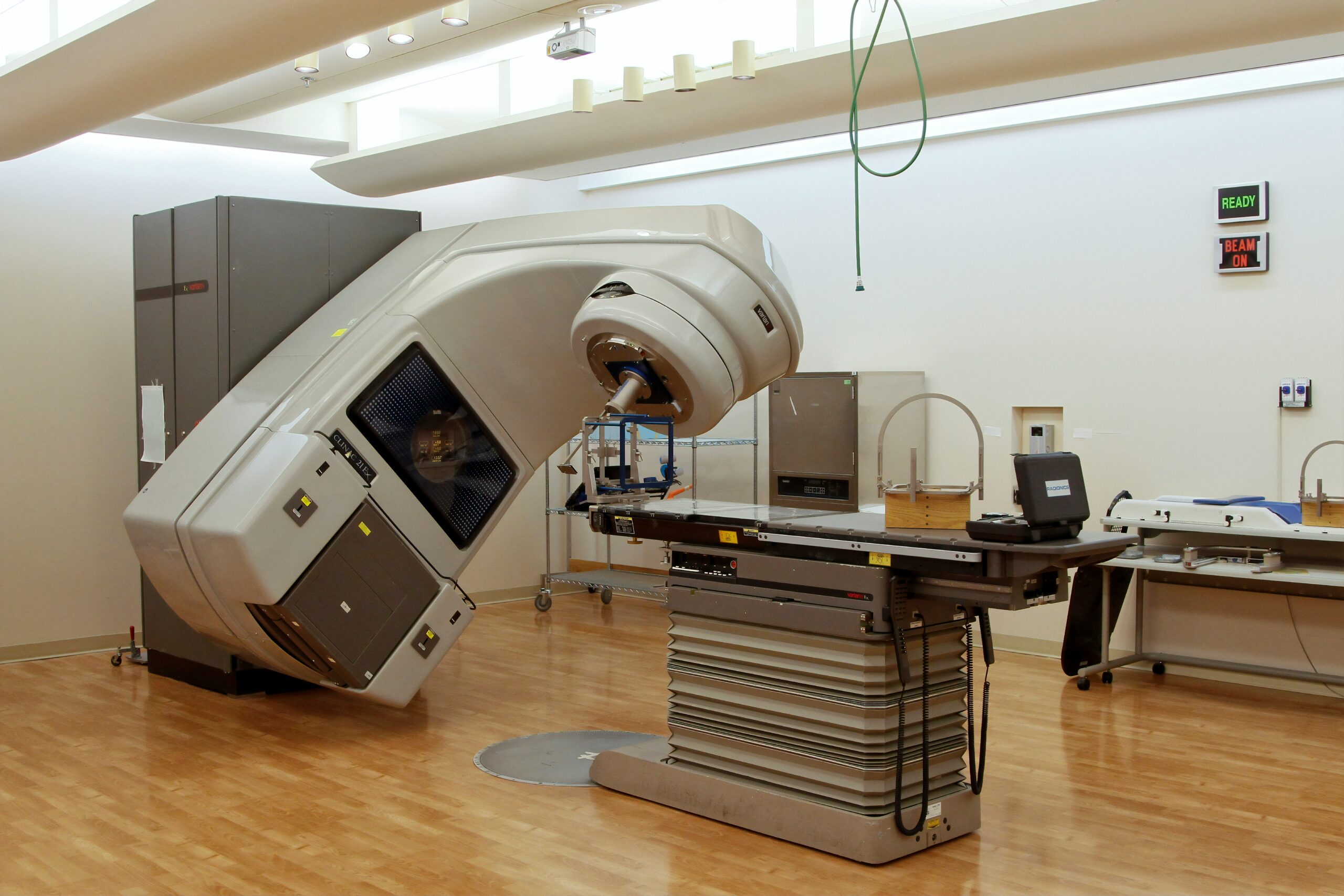
Linear Accelerators (LINACs)
Used for external beam radiation therapy to target and destroy cancer cells.
Chemotherapy Infusion Pumps
Specialized pumps designed for the precise and safe delivery of chemotherapy drugs.
Biopsy Needles and Forceps
Instruments used to obtain tissue samples for diagnosis.
Imaging Modalities for Cancer Detection
Includes specialized CT, MRI, and PET scanners optimized for identifying and staging tumors.
Intensive Care Unit (ICU) Equipment
ICUs require a high concentration of advanced monitoring and life-support technologies.
Mechanical Ventilators
As mentioned previously, advanced ICU ventilators offer sophisticated modes of respiratory support.
Hemodynamic Monitoring Systems
Allow for continuous tracking of invasive blood pressure, central venous pressure, and other critical circulatory parameters.
Infusion Pumps (High Precision)
Multiple high-precision infusion pumps are used to deliver complex drug regimens in critical care.
Defibrillators/Monitors
Crucial for managing life-threatening arrhythmias in critically ill patients.
Dialysis Equipment
For patients with kidney failure.
Dialysis Machines (Hemodialysis)
These machines filter waste products and excess fluid from the blood when the kidneys are unable to function.
Dialysis Access Catheters and Needles
Specialized catheters and needles are required to access the bloodstream for dialysis.
Dialysate Concentrate
The prepared fluid used in hemodialysis.
Ophthalmic Equipment
For the examination and treatment of eye conditions.
Slit Lamps
Microscope-like devices used to examine the eyes.
Refraction Units
Equipment for determining a patient’s eyeglass prescription.
Ophthalmic Lasers
Used for various eye surgeries, such as correcting vision or treating glaucoma.
Intraocular Lenses (IOLs)
Artificial lenses implanted during cataract surgery.
The acquisition, maintenance, and proper utilization of this diverse array of medical equipment and supplies are fundamental to the operational integrity and patient care mission of any healthcare facility. It is a continuous process of investment, education, and rigorous adherence to protocols, ensuring that the tools of healing are always ready to serve.
No Comments