

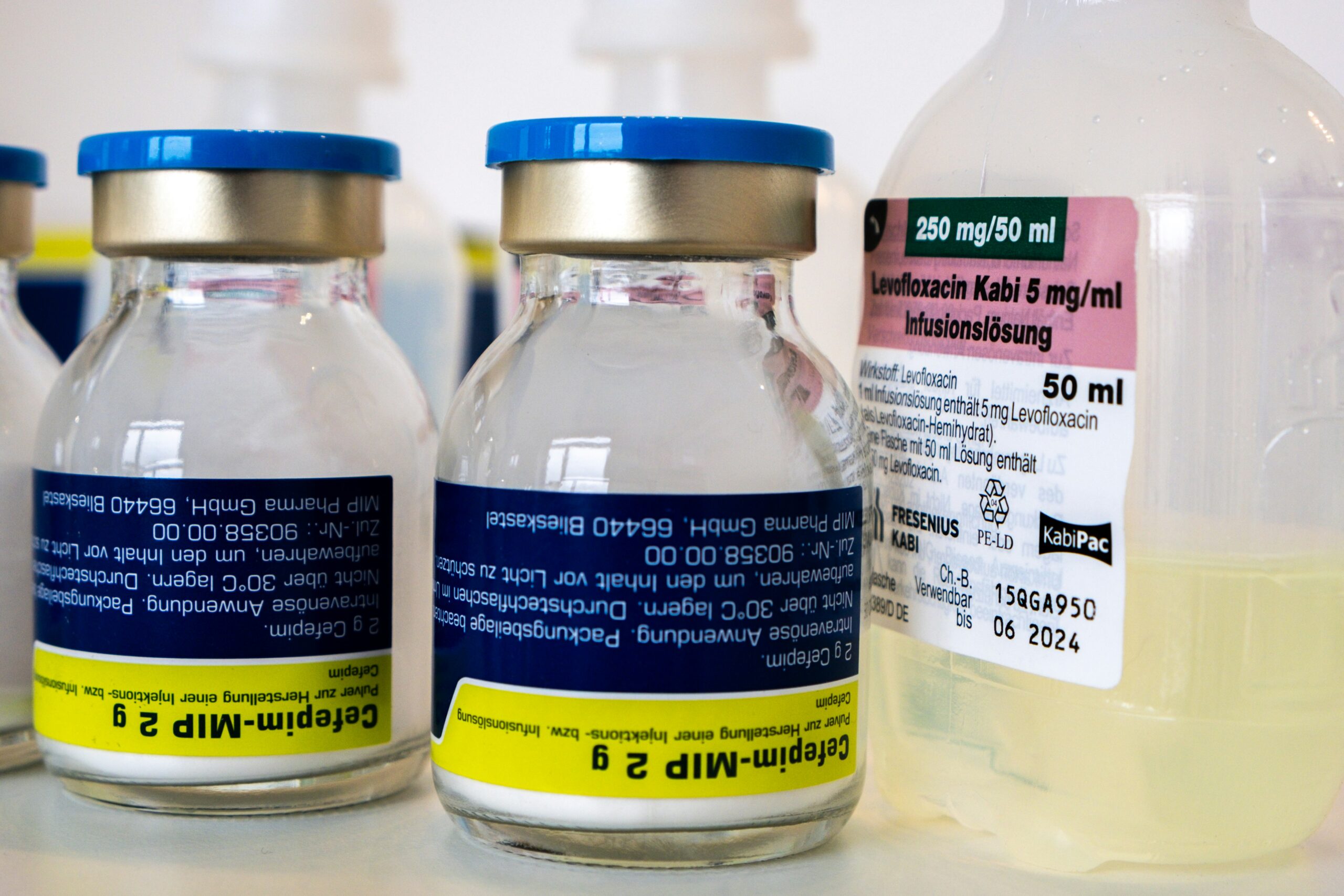
Every household should maintain a well-stocked medical kit, a foundational element of preparedness for common injuries and illnesses. This proactive approach can mitigate minor emergencies, offering immediate relief and preventing escalation while awaiting professional medical attention. A comprehensive kit acts as a first-responder, a silent guardian in the domestic sphere, capable of addressing a range of situations.
The cornerstone of any home medical kit revolves around effective wound management. This category encompasses a range of items designed to clean, protect, and promote the healing of cuts, scrapes, and abrasions, acting as the initial bulwark against infection.
Cleansing Agents
- Antiseptic Wipes: Individually packaged antiseptic wipes, such as those containing benzalkonium chloride or povidone-iodine, are crucial for cleaning wounds. They are portable and convenient for immediate use, removing dirt and debris from the affected area. Think of these as tiny, sterile scrub brushes for your skin.
- Saline Solution: Sterile saline solution is an excellent choice for flushing wounds without the potential stinging associated with alcohol-based cleansers. It’s a gentle yet effective way to rinse away contaminants, mimicking the body’s natural fluids.
- Mild Soap: A gentle, fragrance-free soap can be used with clean water to wash around a wound. It’s important to avoid getting soap directly into deeper wounds, as it can sometimes cause irritation.
Dressings and Bandages
- Adhesive Bandages (Plasters): A variety of sizes and shapes are essential for covering minor cuts and blisters. Include standard rectangular bandages, fingertip bandages, and knuckle bandages, as these cater to different anatomical locations.
- Sterile Gauze Pads: These are fundamental for larger wounds or for applying pressure to control bleeding. They come in various sizes (e.g., 2×2 inches, 4×4 inches) and are sterile until opened. Gauze acts as a clean canvas for absorbing exudate and protecting the wound bed.
- Roller Bandages: Elastic bandages and conforming gauze rolls are useful for securing dressings, providing support to sprains, or creating compression. You’ll need various widths to accommodate different body parts.
- Adhesive Tape: Hypoallergenic medical tape is necessary for securing gauze pads and other dressings. Ensure it adheres well without causing skin irritation.
- Butterfly Closures/Steri-Strips: These are thin adhesive strips used to bring the edges of small cuts together, promoting quicker healing and reducing scarring. They are a good alternative to stitches for very superficial lacerations.
Other Wound Care Essentials
- Antibiotic Ointment: A thin layer of antibiotic ointment applied to a clean wound before bandaging can help prevent infection. Common ingredients include bacitracin, neomycin, and polymyxin B.
- Sterile Cotton Swabs: Useful for applying ointments or cleaning small, delicate areas.
Pain and Fever Management
Discomfort from minor ailments or injuries can significantly impact daily life. A well-equipped home medical kit includes effective remedies for alleviating pain and reducing fever, offering comfort and allowing for rest and recovery.
Over-the-Counter Medications
- Analgesics & Antipyretics: Acetaminophen (paracetamol) and ibuprofen are the workhorses of pain and fever relief. Acetaminophen is effective for pain and fever reduction, while ibuprofen also possesses anti-inflammatory properties. It is crucial to have both, as individual responses and contraindications can vary. Always read and follow dosage instructions carefully. Think of these medications as tools to quiet the alarm bells of pain and to cool down an overheating engine.
- Aspirin: While effective for pain and fever, aspirin should be used with caution, particularly in children and adolescents due to the risk of Reye’s syndrome. Consult a healthcare professional before using aspirin.
Topical Relief
- Hydrocortisone Cream: A low-strength hydrocortisone cream (e.g., 1%) can provide relief from itching and inflammation associated with insect bites, minor rashes, and allergic reactions.
- Calamine Lotion: This classic remedy is excellent for soothing itchy skin from insect bites, poison ivy, or chickenpox.
- Burn Gel or Cream: A specialized gel or cream designed for burns can help cool and soothe minor burns. Look for products containing aloe vera or lidocaine.
Diagnostic and Monitoring Tools

Accurate assessment of a condition is the first step towards appropriate treatment. Having simple diagnostic tools readily available can provide crucial information, guiding decisions and ensuring that interventions are targeted and effective.
Temperature Measurement
- Digital Thermometer: A reliable digital thermometer is indispensable for accurately measuring body temperature. Choose one that is easy to read and provides a quick reading. Options include oral, rectal, or forehead thermometers. This little device is the meter that tells you if the body’s internal thermostat is running too high.
Other Monitoring Devices
- Tweezers: Fine-tipped tweezers are vital for removing splinters, ticks, or other foreign objects embedded in the skin. Cleanliness is paramount when using tweezers.
- Magnifying Glass: A small magnifying glass can assist in examining small wounds, splinters, or insect bites more closely.
Personal Care and Hygiene Items

Maintaining personal hygiene is a critical component of preventing the spread of infection and promoting overall well-being, especially when dealing with illness or injury. These items ensure that basic sanitation needs can be met, even in challenging circumstances.
Basic Hygiene
- Hand Sanitizer: Alcohol-based hand sanitizer is a convenient alternative for cleaning hands when soap and water are not readily available. It is particularly useful when tending to wounds or after contact with potentially contaminated surfaces.
- Disposable Gloves: Non-latex disposable gloves are essential for protecting both the caregiver and the injured person from potential contamination.
- Facial Tissues: For managing sniffles and sneezes, clean facial tissues are a must.
- Cotton Balls and Swabs: While also useful for wound care, cotton balls and swabs can be used for general cleansing or applying topical treatments.
Personal Comfort
- Lip Balm: Particularly useful in dry or cold environments, or for individuals experiencing fever, which can lead to dry lips.
- Moisturizing Lotion: To combat dry skin, especially after washing hands frequently or during illness.
Emergency Preparedness and Special Needs
| Medical Supply | Quantity in Stock | Average Monthly Usage | Reorder Level | Supplier |
|---|---|---|---|---|
| Surgical Masks | 5000 | 1200 | 1500 | HealthPro Supplies |
| Gloves (Latex) | 8000 | 2000 | 2500 | MedEquip Co. |
| Hand Sanitizer (500ml) | 3000 | 900 | 1000 | CleanCare Ltd. |
| Thermometers | 150 | 30 | 50 | ThermoTech |
| IV Fluids (Bags) | 1200 | 400 | 500 | MedSupply Inc. |
Beyond immediate first aid, a comprehensive home medical kit should also anticipate potential future needs and consider the unique requirements of household members. This thoughtful preparation extends the kit’s utility and ensures it can serve a wider range of eventualities.
Emergency Information
- Emergency Contact List: A readily accessible list of emergency contacts, including family members, doctors, and local emergency services. This should be clearly visible and easily obtainable.
- Medical Information Cards: For each household member, a card detailing allergies, chronic medical conditions, current medications, and physician contact information can be invaluable in an emergency. This is like a medical passport for each individual.
Specific Household Needs
- Infant or Child Supplies: If infants or children reside in the home, include age-appropriate items such as infant-specific pain relievers, diaper rash cream, and small-sized bandages.
- Elderly Care Supplies: For elderly individuals, consider including items like a pill organizer, ease-of-swallowing aids for medication, or specialized wound care products if needed.
- Chronic Condition Management: If a household member has a chronic condition (e.g., diabetes, asthma), ensure a small emergency supply of relevant medications or devices (e.g., spare inhaler, glucose testing strips) is kept, provided it does not compromise the primary prescription.
Miscellaneous but Important
- Small Scissors: For cutting bandages, tape, or clothing. Ensure they are clean and sharp.
- Safety Pins: Useful for securing bandages or slings.
- Eye Wash Solution: A sterile eye wash solution can help flush irritants or foreign objects from the eyes.
- Instant Cold Packs: These are single-use packs that become cold when squeezed, providing immediate relief for sprains, bruises, or swelling without the need for refrigeration. They are like a portable blizzard for minor injuries.
- First Aid Manual or Guide: A concise, easy-to-understand first aid manual can provide clear instructions for various medical situations. This is the instruction manual for your medical kit.
- Flashlight and Extra Batteries: Essential for navigating in the dark, especially during power outages, to properly assess injuries or administer aid.
Maintenance and Review
It is important to remember that a medical kit is not a static entity. Regular maintenance is crucial to ensure its effectiveness and readiness.
- Expiration Dates: Routinely check expiration dates on all medications and sterile supplies. Replace any items that have expired. This is akin to checking the expiry dates on food – you wouldn’t want to consume something past its prime.
- Replenishment: After using any item from the kit, replenish it as soon as possible. A depleted kit is an ineffective kit.
- Storage: Store the medical kit in a cool, dry, and easily accessible location, away from direct sunlight and out of reach of young children. A clearly labeled container can further aid in quick identification. Consider a waterproof container if humidity is a concern.
- Annual Review: Conduct an annual review of the entire kit. This provides an opportunity to reassess needs based on changing household circumstances or new recommendations, and to ensure all items are present and in good condition.
By diligently assembling and maintaining a comprehensive home medical kit, you are equipping your household with the means to address everyday health challenges, fostering a greater sense of security and self-reliance. This proactive preparedness is not a substitute for professional medical care but rather a vital complement, ensuring that immediate needs are met with competence and confidence.
No Comments