

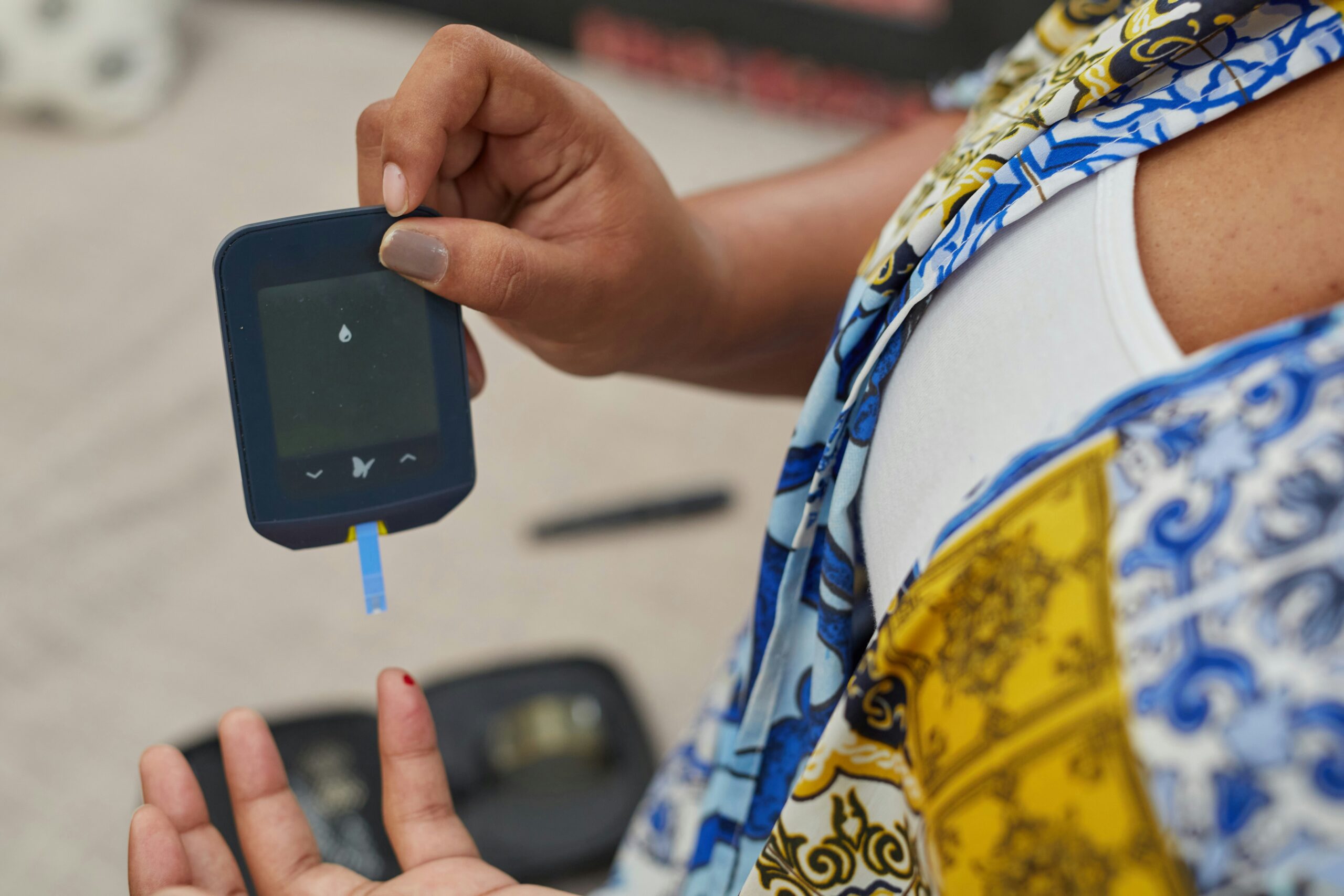
Diabetes management is a multifaceted endeavor, requiring constant vigilance and informed decision-making. A central tool in this process is the glucose meter. Understanding its function, proper usage, and interpretation of its readings empowers individuals with diabetes to gain a granular view of their blood glucose levels, transforming abstract health goals into tangible, actionable data. This article will explore the essential role of glucose meters in managing diabetes, delving into their operational principles, the benefits they offer, and the crucial context surrounding their use.
A glucose meter, also known as a blood glucose meter or glucometer, is a portable electronic device used to measure the concentration of glucose in the blood. For individuals managing diabetes, it serves as a vital diagnostic tool, providing immediate feedback on how food, exercise, medication, and other lifestyle factors impact blood sugar levels. The technology behind these devices has evolved significantly, offering greater accuracy, ease of use, and data management capabilities.
The Underlying Principle: Electrochemical Detection
At its core, a glucose meter operates on an electrochemical principle. When a small drop of blood is applied to a test strip, an enzymatic reaction occurs. This reaction, catalyzed by an enzyme like glucose oxidase or glucose dehydrogenase, breaks down glucose molecules within the blood sample. This breakdown releases electrons, creating a tiny electrical current. The glucose meter detects and measures this current, which is directly proportional to the amount of glucose present in the blood.
Test Strips: The Reagents of Monitoring
The test strip is the disposable consumable that makes this measurement possible. These strips are impregnated with specific chemicals, including the enzyme and a mediator. The enzyme reacts with glucose, and the mediator facilitates the transfer of electrons, generating the electrical signal. Different brands and types of glucose meters utilize slightly different enzyme systems and mediator configurations, which is why it’s imperative to use test strips specifically designed for the meter model.
Calibration and Accuracy: Ensuring Reliable Readings
Glucose meters require calibration to ensure accurate readings. While many modern meters are factory-calibrated and use “no-coding” technology, older models or those using specific test strips may require manual coding to match the meter’s settings to the test strip’s manufacturing lot. This ensures the meter is interpreting the electrical signal correctly based on the specific chemical composition of the strip. Regular maintenance and proper storage of test strips, away from extreme temperatures and humidity, are also critical for maintaining their integrity and the accuracy of the meter’s readings.
Components of a Glucose Meter System
A typical glucose meter system comprises several key components:
- The Meter Device: This is the electronic unit containing the display, battery, and the mechanism for reading the test strip.
- Test Strips: As discussed, these are the disposable strips used to collect and react with the blood sample.
- Lancet Device and Lancets: A lancet device, often an automatic spring-loaded mechanism, holds a sterile lancet. The lancet pierces the skin to produce a small blood droplet.
- Control Solution: This solution contains a known concentration of glucose and is used to verify that the meter and test strips are functioning correctly. It acts as a benchmark for accuracy.
The Indispensable Role of Glucose Monitoring in Diabetes Management
For individuals living with diabetes, monitoring blood glucose levels is not merely a suggestion; it is a cornerstone of effective self-management. It’s akin to navigating a ship through potentially treacherous waters. Without knowing your current position (your blood glucose level), it’s impossible to plot a safe and efficient course to your destination (stable blood sugar control).
Understanding Blood Glucose Fluctuations: A Dynamic Picture
Blood glucose levels are not static. They are dynamic, fluctuating throughout the day in response to a myriad of factors. These include:
- Food Intake: Carbohydrates are broken down into glucose, directly impacting blood sugar. The type, amount, and timing of meals significantly influence these levels.
- Physical Activity: Exercise generally lowers blood glucose by enabling cells to use glucose for energy. However, the type and intensity of exercise can have varying effects.
- Medication: Insulin and oral antidiabetic medications work to lower blood glucose. Their dosage and timing are critical.
- Stress: Stress hormones can cause blood glucose levels to rise.
- Illness: Infections and other illnesses can significantly alter blood glucose control.
- Sleep: Poor sleep can negatively affect insulin sensitivity and blood glucose control.
A glucose meter provides a snapshot of these fluctuations, allowing individuals to see the immediate impact of their choices and to make timely adjustments.
The Concept of Glycemic Variability
Beyond just average blood glucose readings, understanding glycemic variability is crucial. High variability, meaning significant swings between high and low blood sugar, can be as detrimental as consistently high blood sugar. A glucose meter allows for the identification of these patterns, enabling individuals and their healthcare providers to implement strategies to smooth out these peaks and valleys.
Achieving and Maintaining Target Blood Glucose Ranges
The primary goal of diabetes management is to keep blood glucose levels within a target range set by a healthcare professional. For most adults with type 1 and type 2 diabetes, this target is often:
- Fasting blood glucose: 80 to 130 mg/dL (4.4 to 7.2 mmol/L).
- One to two hours after the start of a meal: Less than 180 mg/dL (10.0 mmol/L).
Regular glucose monitoring helps individuals understand if they are consistently meeting these targets. If readings are consistently above or below the target range, it signals the need to review and potentially adjust dietary habits, exercise routines, or medication.
The Role of Hemoglobin A1c
While glucose meters provide immediate readings, Hemoglobin A1c (HbA1c) offers a longer-term perspective, reflecting average blood glucose levels over the past two to three months. HbA1c is typically measured in a laboratory. However, the data gathered from frequent glucose meter readings can help explain the HbA1c result and inform strategies to improve it. A consistent pattern of readings within target ranges on the glucose meter typically correlates with a favorable HbA1c.
Best Practices for Using a Glucose Meter: Maximizing Accuracy and Utility

The accuracy of glucose meter readings is paramount for effective diabetes management. Adhering to established best practices ensures that the data obtained is reliable and actionable. Think of it as following a recipe precisely to achieve the desired outcome. Slight deviations can lead to misinterpretations and potentially harmful decisions.
Hand Hygiene: The First Line of Defense
Before obtaining a blood sample, thoroughly washing your hands with soap and warm water is essential. This removes any residual sugar, dirt, or lotions that could contaminate the blood sample and lead to inaccurate readings. Drying your hands completely is also important.
Alternative Methods for Hand Cleaning
If soap and water are not readily available, using an alcohol swab is an alternative. However, it is crucial to allow the alcohol to dry completely before pricking your finger, as residual alcohol can affect the reading.
Obtaining a Blood Sample: Technique Matters
The method of obtaining a blood sample is critical for accurate results.
Accurate Finger Prick Technique
- Choose the right spot: Prick the sides of your fingertips, not the pads, as these areas are less sensitive. Rotate the prick sites to avoid calluses or soreness.
- Avoid squeezing excessively: Gently massage your hand towards the fingertip if needed to encourage blood flow, but avoid squeezing the finger excessively, as this can dilute the blood sample with interstitial fluid, leading to lower readings.
- Sufficient blood drop: Ensure you have a sufficient drop of blood to fill the test strip’s designated area. Some meters have visual indicators to guide this.
Alternative Blood Sampling Sites
Some meters can also read glucose from alternative sites such as the palm, forearm, or thigh. These sites tend to have slower glucose changes compared to fingertips, so they are not recommended for situations where rapid glucose changes are expected, such as after meals or during exercise. Always refer to your meter’s manual for specific instructions on alternative site testing.
Meter and Test Strip Handling: Essential Precautions
- Store test strips properly: Keep test strips in their original container, sealed, and away from heat, moisture, and direct sunlight. Do not use expired test strips.
- Coding (if applicable): If your meter requires coding, ensure the code on the test strip vial or container matches the code displayed on the meter. For “no-coding” meters, this step is omitted.
- Clean the meter: Periodically clean the meter according to the manufacturer’s instructions to prevent debris from interfering with its operation.
Interpreting Glucose Meter Readings: Turning Data into Decisions

The numbers displayed on a glucose meter are not just digits; they are vital pieces of information that inform crucial decisions about daily life. Learning to interpret these readings within the context of your individual diabetes management plan is as important as the act of measuring itself. It’s like having a weather forecast; you need to know what the numbers mean to decide whether to carry an umbrella or enjoy the sunshine.
Understanding What High, Low, and Target Readings Mean
- High Blood Glucose (Hyperglycemia): Readings above your target range indicate hyperglycemia. This can be caused by insufficient insulin or medication, overeating carbohydrates, illness, or stress. Persistent hyperglycemia can lead to long-term complications.
- Low Blood Glucose (Hypoglycemia): Readings below your target range indicate hypoglycemia. This can be caused by too much insulin or medication, skipping meals, excessive exercise, or alcohol consumption. Severe hypoglycemia requires prompt treatment to prevent serious health consequences.
- Target Blood Glucose: Readings within your prescribed target range indicate good glycemic control at that moment. These are the levels to aim for consistently.
Signs and Symptoms of Hyperglycemia and Hypoglycemia
It is important to be aware of the signs and symptoms of both high and low blood sugar. These can vary from person to person.
- Symptoms of Hyperglycemia: Increased thirst, frequent urination, fatigue, blurred vision, increased hunger.
- Symptoms of Hypoglycemia: Shakiness, sweating, dizziness, confusion, rapid heartbeat, hunger, irritability.
While glucose meters provide objective data, recognizing these subjective symptoms is also crucial for proactive management.
Factors Influencing Readings: A Holistic View
It’s essential to remember that a single reading is a snapshot. Factors like the time of day, what you last ate, your activity level, and any potential illness can influence the reading. Therefore, consider these factors when interpreting your results. For example, a higher reading after a large, carbohydrate-rich meal is expected. A significantly elevated reading without an obvious cause warrants further investigation.
The Importance of a Logbook or Digital Tracking
To gain a comprehensive understanding of glucose trends, keeping a logbook or using a digital tracking app is highly recommended. This involves recording your blood glucose readings along with details about your meals, exercise, medication, and any other relevant factors. This data is invaluable for identifying patterns, understanding triggers for glucose fluctuations, and discussing your diabetes management with your healthcare provider.
When to Contact Your Healthcare Provider
Glucose meter readings provide data, but your healthcare provider interprets this data within the broader context of your health. Contact your doctor or diabetes educator if you experience:
- Consistently high or low readings that are outside your target range.
- Frequent episodes of hypoglycemia or hyperglycemia.
- Difficulty achieving your target blood glucose levels.
- Unexplained fluctuations in your blood glucose readings.
- Any concerns or questions about your readings or diabetes management.
Your healthcare provider can help you adjust your treatment plan, including medication, diet, and exercise, based on the information gathered from your glucose meter.
Expanding the Utility of Glucose Meters: Advanced Features and Connectivity
| Metric | Description | Typical Range/Value | Unit |
|---|---|---|---|
| Measurement Range | Range of glucose levels the meter can measure | 20 – 600 | mg/dL |
| Accuracy | Percentage of readings within ±15% of lab reference | 95% | % |
| Sample Size | Amount of blood required for a test | 0.3 – 1.0 | µL |
| Test Time | Time taken to display glucose result | 5 – 10 | seconds |
| Memory Capacity | Number of test results stored in device memory | 300 – 500 | readings |
| Battery Life | Number of tests per battery set | 1000 – 2000 | tests |
| Operating Temperature | Temperature range for accurate operation | 10 – 40 | °C |
Modern glucose meters are moving beyond simple numerical displays, incorporating advanced features and connectivity options that further empower individuals in their diabetes management journey. These advancements transform the glucose meter from a standalone device into a more integrated component of a comprehensive health ecosystem.
Data Management and Trend Analysis
Many newer glucose meters come with built-in memory to store a significant number of readings. Some models can also download this data to a computer or smartphone via USB cable, Bluetooth, or Wi-Fi. This allows for easier tracking of trends over time. Analyzing this data can reveal subtle patterns that might not be apparent from daily readings alone.
Companion Apps and Cloud-Based Platforms
The development of dedicated smartphone applications and cloud-based platforms has revolutionized glucose data management. These apps often sync wirelessly with glucose meters, allowing for:
- Automatic logging of readings: Eliminating manual entry.
- Visualization of trends: Using graphs and charts to illustrate glucose patterns.
- Integration with other health data: Such as food diaries, exercise logs, and medication schedules.
- Personalized insights and alerts: Providing tailored feedback and reminders.
- Secure data sharing with healthcare providers: Facilitating more informed consultations.
Continuous Glucose Monitoring (CGM) Systems
While not strictly a traditional glucose meter, Continuous Glucose Monitoring (CGM) systems represent a significant evolution in glucose monitoring technology. CGMs use a small sensor inserted under the skin to measure glucose levels in the interstitial fluid continuously, typically every few minutes.
How CGMs Differ from Traditional Meters
- Continuous Data: Unlike episodic finger pricks, CGMs provide a constant stream of data, painting a much more complete picture of glucose fluctuations.
- Trend Arrows: Many CGMs display “trend arrows” that indicate the direction and speed of glucose changes, allowing for proactive interventions.
- Alarms and Alerts: CGMs can be programmed to sound alarms for high or low glucose levels, providing an early warning system.
While CGMs offer significant advantages, they often require calibration with a traditional glucose meter, and their cost and complexity can be a consideration. However, for individuals with significant glycemic variability or insulin-dependent diabetes, CGMs can be a transformative tool.
Smart Insulin Pens and Integrated Diabetes Management Systems
The integration of glucose monitoring data with insulin delivery devices, such as smart insulin pens, further streamlines diabetes management. These pens can log insulin doses and, when paired with a glucose meter or CGM, can inform insulin dosing decisions based on current glucose levels and trends. This interconnectedness aims to create a more seamless and personalized approach to managing diabetes.
The Future of Glucose Monitoring: Innovations on the Horizon
The field of diabetes management is continually evolving, and glucose monitoring is at the forefront of these advancements. Researchers and developers are working on innovative solutions that promise to make glucose monitoring even more accurate, convenient, and less invasive.
Non-Invasive Glucose Monitoring Technologies
A significant area of research focuses on developing non-invasive glucose monitoring technologies. The “holy grail” of diabetes management would be a device that can accurately measure blood glucose without the need for finger pricks or even internal sensors.
Emerging Technologies Under Development
Several promising avenues are being explored, including:
- Optical Methods: Technologies that use light (e.g., near-infrared spectroscopy) to detect glucose levels through the skin.
- Electrochemical Sensors in Sweat or Tears: Developing sensors that can reliably measure glucose in biofluids other than blood.
- Microwave and Radio Frequency Sensing: Investigating the use of electromagnetic waves to detect glucose concentrations.
- Lab-on-a-Chip Devices: Miniaturized devices that can perform multiple diagnostic tests, including glucose monitoring, from a small sample.
While these technologies are still in various stages of development, they hold the potential to dramatically reduce the burden of daily monitoring for individuals with diabetes.
Artificial Intelligence and Predictive Analytics
The increasing availability of large datasets from glucose meters and CGMs is paving the way for the application of artificial intelligence (AI) and predictive analytics in diabetes management.
How AI Can Enhance Diabetes Care
AI algorithms can analyze an individual’s glucose data, lifestyle factors, and treatment history to:
- Predict future glucose trends: Enabling proactive adjustments to prevent extreme high or low readings.
- Personalize treatment recommendations: Offering tailored advice on diet, exercise, and medication.
- Identify non-obvious patterns: Revealing hidden triggers for glucose fluctuations.
- Improve the accuracy of insulin dosing algorithms in automated insulin delivery systems.
The integration of AI has the potential to move diabetes management from a reactive approach to a more proactive and predictive one, significantly improving outcomes and quality of life for individuals living with diabetes.
Enhanced Connectivity and Data Integration
The trend towards greater connectivity will undoubtedly continue. Future glucose monitoring devices will likely offer even more seamless integration with other health tracking devices, electronic health records, and telehealth platforms. This will create a more holistic view of an individual’s health, enabling more comprehensive and personalized care. The ability for devices to communicate and share data intelligently will be a key driver in advancing diabetes management.
No Comments